Category: Recipes

  • Enslaving Yeast – Extract Beer

    Enslaving Yeast – Extract Beer

    Yes, at long last we’ve stepped through the various ways of making alcohol and have made it to the hardest to make.  Beer. Over the next couple of installments, I’ll be going a bit more in depth on the ingredients used to make beer, but let’s get started with the equipment you’ll need to make a simple extract batch.

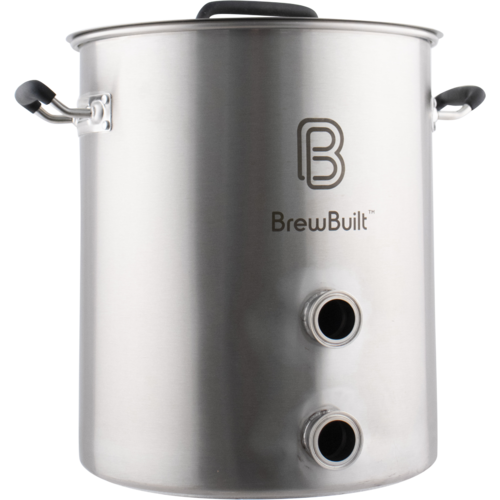
    To begin with, the first thing we’ll need is a brew kettle.  Unlike most other types of fermentation, beer requires being brought up to a boil for a time in order to sterilize it, use the alpha acids in the hops, and to help get a clear beer.  Any kettle can work for a brew kettle, as long as it’s large. Most will also have a spigot put into them to allow you to get your wort (unfermented sweet barley water) into a fermentor more easily.  Now, most beer recipes for homebrewing are written for a 5 gallon batch, that means if you want to do what’s called a full boil (the full volume of beer is boiled at once), you’ll need at least an 8.5 gallon kettle.  Why the extra 3.5 gallons?  Well, first you really don’t want a kettle full of boiling liquid full to the brim.  Second, you’ll be boiling off water as you get the wort up to a boil, and during the time it’s boiling.

    Then, you’ll need a wort chiller.  While wort chillers are technically optional, you’d be hard pressed to find someone telling you they aren’t a worthy investment.  You can make your own fairly easily as long as you have access to copper (or stainless steel) tubing, a way to bend it, and a way to get hose attachments on to it.  Wort chillers are used to bring that boiling pot of wort down to a temperature where it’s safer to move it between vessels, and bring it down to a temperature where you can pitch your yeast.

    But Nephilium, I’ve got this 4 gallon pot, and SWMBO (She Who Must Be Obeyed) has said that I can just put an ice bath in the tub to chill my beer.  If you can’t do the full boil, you’ll be doing what’s called a partial boil. This means you’ll be boiling a partial amount of your total volume, then topping it off with water.  Since the top off water doesn’t have to be boiling it will help with the cooling process. In general, if your tap water is safe to drink, you can just add it directly in for the top off, although that has a risk of infection.  If you want to be safer, boil the water once, let it cool, and put it into a sanitized fermentor a day or so before.

    Finally, we’ll talk about the two different basic types of malt extract.  You can buy it either in a liquid form (LME) or in a dry form (DME). The liquid form will have the consistency of syrup, is slightly easier to mix into hot water, but will spoil faster and is harder to do measurements of.  The dry form will have the consistency of powdered sugar, which means it’ll very easily coat things with a sticky mess, but can be kept around much longer as long as it’s kept in an air tight package and away from humidity.

    So let’s go with a recipe.  This is for a basic Saison, a style that is more descriptive than prescriptive. It is a traditional style brewed in France and Belgium at the time of the harvest, and was used to pay workers in the fields.  I’d recommend following the recipe as written once, but then you can adjust it by adding rose hips and lavender, tart cherries, currants, peach juice, or whatever you would like.

    Base Saison: 90 minute boil; Final volume 5 gallons

    Ingredients:

    2 lb. Wheat Dry Malt Extract
    3 lb. Pilsen Dry Malt Extract
    3 lb. Extra Light Dry Malt Extract
    2 oz. Saaz hops
    1 package Saison yeast (make sure it’s not a bacterial blend), I’ve had great results with the White Labs WLP565.
    ~7.25 gallons water (your amount may differ based on different boil off amounts)

    Note: If you can’t find DME, you can substitute LME for it, just up the amounts by about 10%.

    Method:

    Prepare all of your ingredients, you’ll be separating the hops into two amounts 1.5 oz and .5 oz.  Get your water up to a boil, then we’ll be adding the malt extract. Turn off the heat, add in the extract and stir.  Then stir some more. Make sure the extract is mixed into the water. Get the water back up to a boil, and once it starts boiling put in 1.5 oz of the Saaz hops, and start your timer.  70 minutes into the boil (20 minutes before you turn off the heat) add in the last .5 oz of hops, and your wort chiller (but don’t start the water flow, we want to sanitize it). When your timer runs out, turn off the heat, and turn on the water flow for your wort chiller.  You’ll need to move the wort chiller around every once in a while to help chill it down. It’ll take 20-30 minutes at least to chill your wort. If you want to pull a sample to check your gravity, it should be at about 1.060.  At that point, move it to your fermentor and pitch your yeast.  Let it ferment for 3-4 weeks, as the Saison yeasts can take some time to finish off, and the beer should finish up at around 1.005 (or lower).  Saison yeasts are fairly heat tolerant, so you don’t need to worry so much about fermentation temperatures, but just keep the beer stable.  After it completes fermenting (remember, 2 checks at least three days apart with the same gravity reading) bottle it, let it condition, and enjoy it.

  • Making Cider

    Making Cider

    Thirty gallons of blended cider.


    Give me yesterday’s bread, this day’s flesh, and last year’s cider. (B. Franklin)

    Most Americans have no idea what cider really is or its place in American history.  The founding fathers brought apple trees and presses from England to the colonies.  Everyone drank cider – morning, noon, and night – including children who drank watered-down cider.  Apple trees and cider-making followed the settlers to the west.  Nearly every homestead produced apples and cider.

    The industrial revolution was the beginning of the end for cider consumption in America.  As the population moved into cites, it became difficult to distribute cider in large enough quantities to serve the population.  German immigrants in the mid-1800s brought beer-making processes and technologies to America that allowed for large-scale production of lagers.  City-dwellers became beer drinkers, and cider-drinking was relegated to the country bumpkins.  Prohibition killed what was left of cider production in the America.  Orchards across the country ripped out cider apple trees and replaced them with eating apples and culinary apples.   Now that cider is making a resurgence, orchards are frantically replanting cider apple varieties, but they are not keeping up with demand.

    So, what is the difference between eating apples, culinary apples, and cider apples.  Modern eating apples are basically just bags of sugar water with enough acid to keep them from being cloyingly sweet.  They are crunchy and extremely juicy, which is desirable in an eating apple.  But these juicy apples, actually have fairly low concentrations of sugar in the juice (typically about 10% sugar by weight).  And, they don’t have much in the way of distinctive flavors.  When you ferment away the sugar, you are left with modest alcohol levels (5% ABV) and bland flavors.  Culinary apples are used for cooking or baking.  Both tend to be high in acid. This provides sharpness to balance the sugar that is added during cooking and baking.  Culinary apples can be used to make cider as they increase the acid level in the final product.

    Cider apples generally fall into four categories based upon the relative levels of acid and tannin in each variety.  If you are a wine geek, you understand that acid and tannin provide the structure and determine the mouthfeel of a wine.  Acid and tannin serve the same purpose in cider.  Acid makes your mouth water and conveys crispness in the product.  Tannin provides bitterness and astringency (makes your mouth feel dry and sticky).

    The most common cider apples were developed in England and France starting in the 1600s and continuing into the 1800s.  The flesh of these apples is course and chewy, but it releases juice better than a modern apple when being pressed.  The apples tend to be drier (less juicy) than modern apples, but they have much higher concentrations of sugar.  Cider apples have complex, earthy flavors that are more intense than modern apples. These flavors carry over into the final product.

    Sweet apples.  These apples produce juice with very high concentrations of sugar – upwards of 19% sugar by weight (Brix).  If fermented to dryness, this will produce alcohol levels to nearly 11% ABV.

    Sharp apples.  These apples produce juice with very high concentrations of malic acid, but relatively low levels of tannin.  Sharp cider apples are similar to culinary apples, and some varieties of apples are used for both purposes.

    Bittersweet apples.  These apples produce high levels of both sugar and tannin.  These apples also provide the classic cider flavor in traditional English and French ciders.

    Bittersharp apples.  These apples product high levels of both acid and tannin.

    True cider apples are commonly referred to as “spitters”.  They are either so tart or so tannic that you spit them out if you take a bite.  One book on cider making from the 1800s stated that the best cider apples were so harsh the neighbors wouldn’t steal them and the pigs wouldn’t eat them when they fell on the ground.

    Generally, cider is made from a blend of all four types of cider apples with roughly 40% from sweet apples, 30% from sharp apples, 20% from bittersweet apples, and 10% from bittersharp apples.  The primary purpose of the sweet apple is to provide sugar for making alcohol.  The sharp apples provide the acid for crispness, and the two types of bitter apples provide the tannin which completes the mouthfeel of the cider.  A well-made cider is dry, acidic, and tannic.  It has more in common with a dry red wine than the alcoholic soda pop that dominates the market right now.

    It is rare for a cider to be made from a single variety of apple, but it can be done.  Single-variety apple ciders typically use some variety of bittersharp apple which has all the necessary ingredients to make a balanced finish product – high sugar levels, high acid, high tannin levels, and complex flavors.  Any single-variety apple cider you see on the market will be from a bittersharp apple (e.g., Kingston Black).

    So, what are the options for a home cidermaker:

    1. Become really good friends with someone that grows cider apples and will share them with you instead of selling all of them into the commercial marketplace (or keeping all of them for themselves).
    2. Plant your own trees and wait (I planted in 2014. I should be getting apples soon).
    3. Make do with alternatives from your local orchard.
    4. Learn to make cyser (apple mead – subject of a future article).
    5. Seriously, don’t go there. The soft cider that you buy in the grocery store or at your local orchard is generally a blend of juices from modern eating apples.  It is sweet and barely tart.  If you ferment it, the sweet will be gone, and what is left will be bland.

    The rest of this article is focused on option 3) above – making do with the apples you can find in your local orchard. 

    This means buying fresh apples, crushing the apples, and pressing out the juice.  You need apples that provide complex flavors.

    Focus on heirloom varieties, particularly classic apple-pie apples – varieties that originated 100 years ago or more.  These apples will be in the neglected part of the orchard.   No one wants these apples, but the owner of the orchard hasn’t pulled them out yet (it’s not really that bad, but it has some resemblance to reality).  Old apple varieties tend to have rich earthy flavors that are clearly “apple”, but still “different” from anything you are used to.  Modern eating apples are pale in comparison to heirlooms.  The texture of these apples is weird. They do not crunch.  They are chewy and even a bit rubbery.  It is off-putting if you grew up on red delicious and have moved on to Galas or Honeycrisp.

    The next apples you want are crabapples.  Really.  Every commercial orchard has crabapples.  These apples produce vast amounts of pollen and are in bloom for a long time.  Thus, they are valued as great pollinators in orchards.  But orchards will grow crabs that are useful for other purposes as well – mostly for making jellies and jams.  Some crab apples are sweet, but many are very high in acid.

    The good news is you can make great cider without access to classic cider apples.

    The bad news is that not all apples blend well together.  The first year I got serious about making cider, I worked with 15 different varieties of apples.  In the end, I made 6 different blends.  Two were great (I kept those for myself); two were good (I gave those to good friends); and two were OK (those became party booze – make it sweet; put it in a keg; the drunks love it).  A lot of experimentation is required.  The best blend that I made included roughly equal parts of cider made from Whitney Crab (sweet yellow crabapple), Spartan (child of McIntosh, red with white flesh and wine-like flavor), Rhode Island Greening (one of the two oldest varieties in America, green with yellowish flesh, outstanding apple-pie apple), and Dolgo Crab (red with white flesh, shockingly sour, but actually has the highest sugar concentration of all the apples used that year).

    To make things more complicated, apples harvest anywhere from early August to late October.  The apples you most care about don’t harvest at the same time.   Crabs typically harvest in early August and heirloom apple-pie apples harvest in October.  This means you make cider from individual varieties and then blend them some time later.

    Now to walk through the process of making of a single batch of Dolgo Crab Apple Cider.

    You will need two crucial pieces of equipment – something to crush apples and something to press the juice out of the crushed apples.  There are many different configurations of crushers and presses.  Apple crushers have fingers that shred apples and grinders have blades that do the same.  It’s a bad idea to run your hand through either one of them.  Vertical basket presses are the lowest cost style of press to start with and come in two basic configurations – a grape/wine press or an apple/cider press.  Either will do the job.  They look similar but are different.  The T-handled apple press can be used without nailing it to the ground.  The wine press must be fixed in place or it will turn in circles as you crank on the handle (foreshadowing amusing photos in the upcoming wine article).


    Apple Crusher in Home-Built Stand


    Whether you use a crusher or a grinder, the basic process is to put apples in the hopper and turn the crank.  I have a hand-cranked crusher.  With a little ingenuity, this can be converted into a motorized crusher.  The next one I buy, when the orchard is producing, will be motorized.


    Dolgo Crab Apples in the Hopper


    Dolgo crab apples are about the size of a large cherry.  They run through the crusher with ease.  The fingers on the crusher are quite small. So, any apple bigger than these crab apples needs to be cut into halves or quarters depending on how big they are.  While this seems like extra work, it means you get a chance to examine each apple and discard any that show signs of spoilage.


    Dolgo Crab Apples after Crushing


    When you turn the crank, the fingers inside the crusher shred the apples.  The shredded apples fall out of the bottom of the crusher and into a bucket.  From here, the apples go into the press.  There is one serious problem to contend with when using a vertical basket.  The juice must flow from the apples in the middle of the basket to the outside where gaps between the slats allow juice to exit the basket.  Unfortunately, crushed apples (and grapes for that matter) are basically slimy little pieces of fruit covered in sticky juice.  When you squeeze two fruit pieces together, they form a water-tight seal.  So, juice that is in the middle of the basket can’t get out.  The solution to this problem is to mix rice hulls into the crushed fruit (all-grain brewers will be familiar with this trick).  The rice hulls act like little straws providing channels between the pieces of fruit so that juice can flow between the pieces even under high pressure.


    Standard Vertical Basket Apple Press


    A couple of important notes.  First, all apples oxidize; some faster than others.  If you cut an apple in half and leave it on the counter, the exposed flesh will turn brown.  If you crush and press fresh apples, the juice will turn brown as you watch.  This is concerning to a beginning cidermaker, because, in almost all cases in brewing, oxidation is a bad thing.  However, in cider, oxidation is a key part of the flavor profile of the finished product.  And much of the browning will be reversed during fermentation thus yielding the classic yellow-gold color of cider.  Note that heat also produces browning (ask the food geeks at Glibs about the Maillard reaction).  So, pasteurization of apple juice can contribute to browning.  But the browning due to pasteurization does not produce desirable flavors and will not be reversed during fermentation.

    Second, I learned the hard way to line the wooden basked with screening material (I now buy screen door repair fabric at the hardware store).  If you don’t line the basket, pulp and seed will be squeezed into the spaces between the wooden slats.  This is a pain to clean up afterward.


    Primary Fermentation


    One of the nifty features of Dolgo crab apples is the red pigment in the skins will rub off on your hands.  It is also highly soluble.  This results in pink colored juice running out of the press.  I sliced the skins off a dozen or so apples and put them into the primary to enhance the color.  Normally, I add oak cubes to secondary fermentation, but for this batch, I added medium toast French oak cubes in the primary.  The cider was fermented with an English ale yeast (Wyeast 1318 London III).  Note the primary is a Rubbermaid Brute which has a loose-fitting lid.  There is no need for an airtight seal during primary fermentation.


    Secondary Fermentation


    After a week or so in the primary, the cider was racked to a 6 ½ gallon glass carboy.  An airtight seal is provided by a rubber bung with a S-shaped airlock.  It appears that I carried over the oak cubes from the primary because a week really isn’t long enough exposure for cubes.  This is the time when a bacterial culture is introduced to the product to perform malo-lactic fermentation – the conversion of malic acid to lactic acid (the acid found in milk). This fermentation takes two or three months.

    At some point, this batch of Dolgo cider was mixed with other batches of cider.  Fining agents were used to clarify the blended cider (I really like Super Kleer).  After it cleared, it was bottle conditioned by adding 1 ounce of raw cane sugar per gallon of product and bottling in beer bottles.  This resulted in a sparkling, semi-dry cider.

    Sometimes I keg and force carbonate.  This allows the cider to be back sweetened and stabilized with potassium sorbate.  The resulting product can be semi-sweet or sweet depending upon the target audience for the kegged product (party booze generally needs to be sweet, because there aren’t enough educated cider drinkers out there).

    There are other major issues to consider.

    Brewers will generally work with three types of acid in fruits: citric acid from citrus fruits (and many types of berries); tartaric acid from grapes; and malic acid from apples (and also many types of berries and grapes).  For any given acid concentration, malic acid has the harshest flavor and mouth feel.  Lactic acid has a much smoother flavor and mouth feel.  Converting the malic acid in cider to lactic acid makes the product softer and smoother even at high acid levels (this is commonly done in a lot of red wine styles as well).  So, malo-lactic fermentation provides great benefits to cider, but it comes with a significant risk.

    The bacteria that convert malic acid to lactic acid are highly susceptible to potassium metabisulfite (sulfite) which is used to protect against spoilage organisms like Brettanomyces.  And Brett lives everywhere.  It is on the skins of fresh fruit.  When you crush and press fresh fruit to make cider or wine, it is in the juice.  It is essential to add sulfite to the fresh juice to kill spoilage organisms at the start of fermentation.  Sulfite also works to prevent or reverse oxidation.  When you put small amounts of sulfite into highly oxidized apple juice, it will chemically interact with the oxygen and become neutralized (read a book on wine chemistry if you care about the details).  Thus, the amount of free sulfite in the juice drops quickly (this is complicated and could be the topic on a stand-alone article).

    The goal is to introduce enough sulfite into the fresh juice to kill the spoilage organisms present on the fresh fruit, but at a low enough rate that there will be no free sulfite left by the end of primary fermentation.  You can then rack into a secondary, pitch malo-lactic bacteria, and wait for 2 or 3 months for the bacteria to work while hoping your sanitation was good enough so that you didn’t introduce any new spoilage organisms going from primary to secondary.  And the mathematical formula for getting that right is – I have no idea.

    My process, which has worked so far, is to prepare a 1-quart spray bottle with a solution of 1 tsp of sulfite and 1 tsp of citric acid (sulfite works best in high acid solutions).  I press juice into a small bucket.  When the small bucket is full, I pour it into a large bucket and spray the juice with a couple of squirts of sulfite solution.  Then I cover the large bucket with a lid while I continue to press juice.  Eventually, all the juice is poured into a primary fermenter which was sanitized by spraying it down with the same sulfite solution.  This seems to get enough sulfite into the juice to prevent spoilage while not carrying enough sulfite into the secondary to inhibit malo-lactic fermentation.  After a couple of months of malo-lactic fermentation, I add about ¼ tsp of sulfite to each carboy.  This will prevent spoilage during long-term aging.


    That’s enough for now.  Go forth and make cider.

  • Vegan School: Holiday Recipes

    Vegan School: Holiday Recipes

    Many dishes at my holiday table are vegan by nature, like maple acorn squash, three bean salad, raw veggie platters, and cranberry sauce. But most holiday dishes aren’t vegan, which makes it a challenging time of year.

    Mr. WebDom and I are in the middle of moving this month, so I haven’t had a chance to do much cooking. Instead of delighting you with one of my custom recipes, I thought I would do a round up of Vegan Holiday Recipes to inspire you this holiday season.

    Vegan Christmas Roast

    Image from The Easy Vegan

    The Easy Vegan put together this recipe, which I keep meaning to try. I expect I will in January once I get my kitchen at the new house setup.

    OMWC has tried this recipe using this brand of wheat gluten and it seemed to work well. There was something that he wanted to improve, and I’m sure he’ll mention it in the comments.

    While this is not a recipe, I do want to mention the Gardein Holiday Roast. It’s delicious and tastes far more like turkey than you would expect. I had it with SP and OWMC last year. This year I tried the smaller single serving version for Thanksgiving. It’s awesome, and definitely hit that “holiday” food jones.

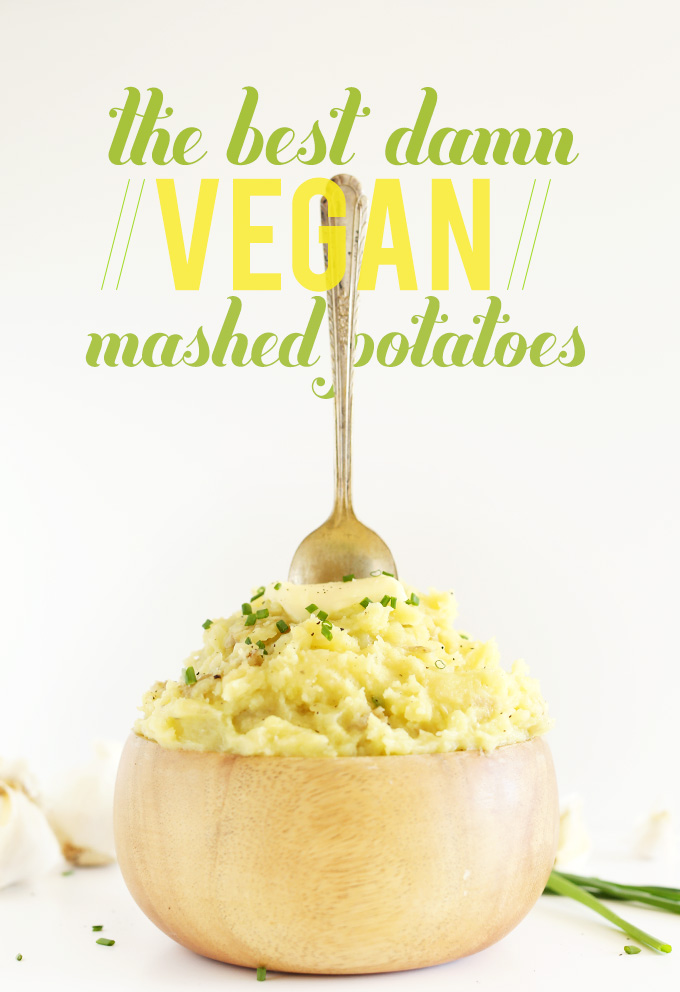
    The Best Damn Vegan Mashed Potatoes

    Image from Minimalist Baker

    Mashed potatoes are a necessity at any holiday table. Most of the time, they’re not vegan. On Thanksgiving I gave in anyway and tried the mashed potatoes my sister in law made. The phrase wallpaper paste comes to mind.

    For Christmas I’m doing the mashed potatoes and I am using this recipe by Minimalist Baker. It’s simple, requires only a few ingredients, and looks like it will fool my non-vegan relatives.

    Vegan Stuffing

    Sadly, I have no photo for this one.

    But, Epicurious has the best vegetarian stuffing recipe I’ve ever seen. It uses butter, but I just swap for a vegan alternative. Aside from just being, well, delicious, I love that stuffing is simple, and easy.

    Vegan Eggnog

    Image from Simple Vegan

    I. Fucking. Love. Eggnog.

    Yet it’s very much not vegan.

    Then I discovered this recipe last week. As soon as I get a blender, I’m doing it! It uses coconut milk and cashews to create the consistency and flavour profile. Supposedly (I’m a little skeptical…) it tastes very close to the real thing.

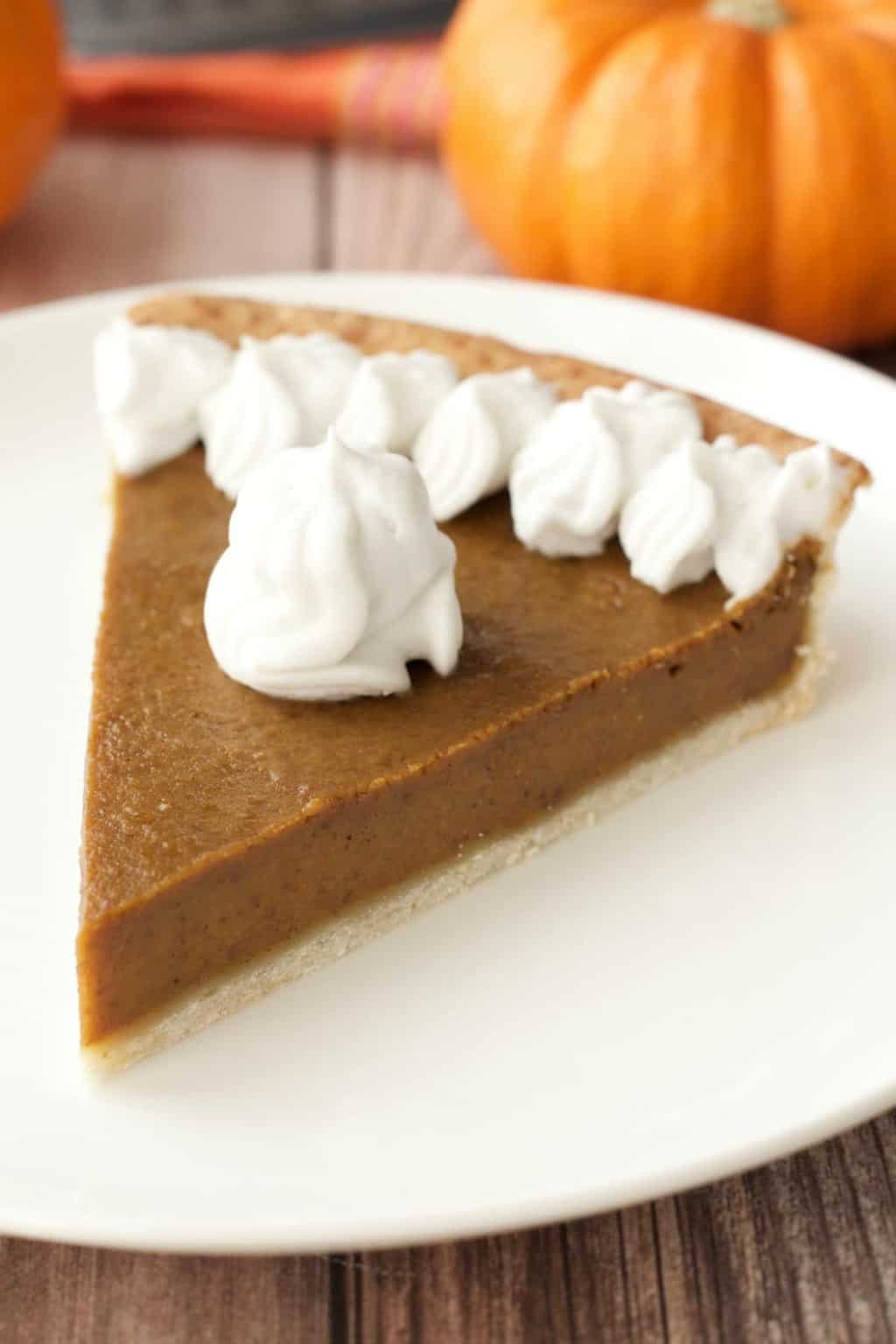
    Vegan Pumpkin Pie

    Image from Loving It Vegan

    Uhm, yes, please. I didn’t get any pumpkin pie yet this year because I had to leave my family’s Thanksgiving Dinner before pie. (Migraines suck.) I am going to be making this pumpkin pie recipe as soon as my kitchen is setup again. This recipe from Loving it Vegan uses full fat coconut milk in place of the cream. After much searching, I prefer this brand of coconut milk. No other brand even comes close.

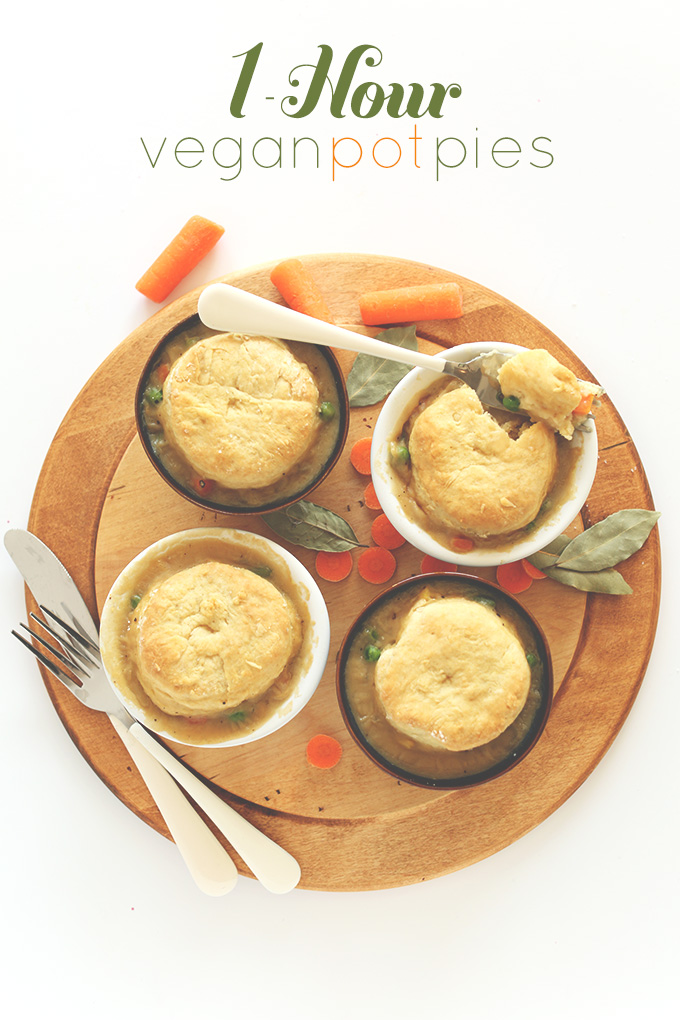
    Bonus: Vegan Pot Pie

    Image from Minimalist Baker

    Not really a holiday recipe, but the holidays always make me crave pot pies. I usually make pot pie in a 9×11 pan, and between the two of us, we usually finish it off in one night. Maybe two if we use restraint. I’ll post my recipe next time I make it (because truth be told I don’t measure anything unless I’m turning it into a recipe for you guys).

    In the interim, this vegan pot pie recipe, also by Minimalist Baker, looks simple and delicious.

  • Enslaving Yeast – Mead

    Enslaving Yeast – Mead

    So we’ve made cider and wine, let’s move on to what is commonly claimed to be the oldest fermented beverage in the world, Mead.  What is mead? Mead is a fermented beverage where the majority of the sugars are coming from honey. Honey is naturally antibiotic, and is unique in that it doesn’t spoil (while it will crystallize, it stays edible).  So, since we want the yeast to survive, we’re going to need to water it down. There’s several different paths you can go to add water to the honey, each with different drawbacks:

    1. Boiling – Get water up to boiling, then add in honey.  This runs the risk of scorching the honey, as well as driving off aromatics, but will ensure that the honey is equally mixed into the water.  You’ll also need a way to cool the must before putting it into a fermentor and pitching yeast.
    2. Hot water – Get water up to ~160 F, and mix in the honey.  This will help the honey dissolve, but will drive off some aromatics.  This also may require some method of cooling before putting it in a fermentor and pitching yeast.
    3. Cold water – Mix water with honey.  This will require more mixing and more stirring to make sure the honey is fully dissolved, has the highest risk of infection (still not a high one), but preserves the honey aromatics the best.

    You won’t need any new equipment for making mead, but you may need a couple of additional ingredients.  Yeast nutrients and yeast energizer.  Fruit (and barley) have the compounds that yeast need naturally occurring in them, honey does not.  While you can make mead without yeast nutrients and energizer, using both will help the yeast do well and convert the sugars into alcohol.  With the cost of honey, it’s well worth the extra couple of dollars to ensure a good ferment.

    There’s an ongoing debate in most of the mead forums about the best way to use yeast nutrients, with everyone certain that their way is the best (sound familiar?).  You can either add it all in at the beginning of fermentation, you can do step additions (add 25% at the beginning, then an additional 25% each following week).

    For those who think there’s too many different styles in beer, there’s a large list of different types of mead.  For those of you here, I’m guessing the most popular will be:

    • Braggot – A mead made with malted barley and honey
    • Capsicumel – A mead flavored with chili peppers
    • Cyser – A mead that users cider instead of water to dilute the honey
    • Hydromel – A light/low alcohol mead (think around 5% ABV)
    • Pyment – A mead that uses grape juice instead of water to dilute the honey
    • Sack mead – A strong mead with more honey then a standard mead (to get to ~15% ABV)

    For your standard mead, plan on between 2.5-4 lbs.of honey per gallon.  Adjust as you wish for higher/lower ABV, and based on if you’re using a fruit juice to dilute (which will have sugar of its own).  Be aware of the different types of honey, and realize that they will have different flavors when the fermentation is done. I recommend starting with small batches until you find something you like, then ramping that up to a higher volume.

    Now for the recipe of a mead I made that came out really well, and should be ready for your next Thanksgiving.  Yes, I’m talking about the one in 2019, most meads do well with a lot of mellowing and aging on them.  Since it’s a 1 gallon batch, I generally bottle this into about ten 375 ml bottles instead of risking only getting four and some change into 750 ml bottles (remember that there’s sediment you don’t want in your bottles).

    Cranberry Mead (1 gallon batch):

    • 1.5 lbs Cranberries – Reduced to juice (or just buy cranberry juice)
    • 3.5 lbs honey
    • Water to top off to one gallon

    Blend the cranberries (or buy juice) and run the resultant liquid through a filter.  Mix that with 3.5 lbs. honey and top off with cold water to get to one gallon. Shake it up (which will both aerate it, and make sure that the honey is mixed in with everything else) until the honey is dissolved.  Figure out what nutrient schedule you want to use, and pitch a white wine yeast. Fermentation will take at least a month, so be patient with this one. After fermentation is done, wait for it do drop clear (sediment will settle at the bottom of the carboy), then bottle it up.

  • Waiting is the hardest part

    Waiting is the hardest part


    There are many roads to success in brewing.  I try to avoid telling people how they should brew.  So, I talk about how I brew, and let others decide whether or not my methods have any value to them.

    Generally speaking, the universal recipe for making alcohol is 1) dissolve sugar in water; 2) add yeast; 3) wait for the yeast to work; and then 4) wait some more for the resulting product to be palatable.  That’s it.  We’re done here.

    Well, I suppose there are a few more things to chat about.  Firstly, there are many ways to make or acquire sugar-water.  You can dilute honey with water.  You can extract juice from fruit.  You can mash malted grain in hot water.  You can combine all of those options.  Secondly, you can select from different kinds of yeast to improve your odds of getting a pleasant flavor in the final product depending upon what your source of sugar was.  Thirdly, you can add all sorts of other ingredients to alter the flavor of the product at various stages in the production of that product.  These include flowers, spices, herbs, and charred/toasted wood.  And we’re not going to talk about any of those things today (Nephilium is taking the lead on those topics).

    Today, we are going to focus on step 3) waiting and step 4) waiting – otherwise known as fermentation and aging.  Given the products I make, steps 3 and 4 are pretty much the same regardless of which primary fermentable sugar I am working with whether it be honey for making mead, fruit juice for making cider or wine, or malt for making sour ales.  This is because I ferment everything at pretty much the same temperature and age everything for pretty much the same amount of time (at this point I only make sour ales which can benefit from months even years of aging, so no young hoppy beers from me).  This means that I have lots of product sitting around in secondaries for long periods of time – typically 12 months (and sometimes up to 36 months) before I package it up.  This takes space – lots of it.  And it requires good climate control.

    My brewing room is roughly 15 feet by 15 feet in size.  Three of the walls are part of the poured concrete foundation for the house.  The last wall is a standard stud wall that I built to isolate the brewing room from the rest of the basement.  There is no ductwork bringing heating or cooling into the room.  Other than the open doorway, there is no significant flow of air in to out of the room.  So, the temperature in the room is extremely stable and there is basically no temperature change over any given 24-hour period (this is probably true for any given week).

    The temperature in the room is effectively controlled by the temperature of the soil outside the foundation walls.  The soil temperature lags the seasons by about 3 months.  So, the coldest temperature in the brewing room is typically late March or early April when the temperature drops to about 62° F (although it got down to 58° F after one particularly brutal winter).  Conversely, the warmest temperatures occur in late September or early October when the room reaches about 68° F.

    That means I do all fermentation and aging between 62° and 68° degrees.  I focus on cool, slow fermentation, and I think this works great for the things that I make – mead, cider, wine, and sour ales.  However; this is not ideal for other types of products such as lagers that need to be fermented cooler or saisons that need to be fermented warmer.  But I rarely drink those products, and I never make them.  When I do want one, there are many fine drinking establishments in the area that can provide one at a reasonable price.

    But a room with temperature control isn’t enough. We need structures – tables, counters, shelves – to store primaries and secondaries that are in use, primaries and secondaries that are not in use, tools, ingredients, and other assorted sundries.  My room has built-in shelving around the entire room.  Every linear foot of wall (excluding the door) has shelves.


    The middle shelf is a bit higher that a standard kitchen counter.  This is where the most of primaries and secondaries are stored during fermentation and aging.  Occasionally, I work with primaries that are too big for the shelves (note the 44-gallon Rubbermaid Brute that I am starting a batch of pyment in – to be discussed in a future post.).  The middle shelf is wide enough to hold a 9-gallon demijon (not shown in the picture).  The corners can hold a 14-gallon demijon.

    The bottom shelf is somewhat narrower than the middle shelf.  This keeps me from banging my shins when I am lifting primaries and secondaries from the floor and then placing them onto the middle shelf or moving them from one place to another.  I generally keep heavy stuff on the bottom shelf, like the cases of honey in lower left of this picture (six 5-lb jars per case).  There is an upper shelf which is the same width as the middle shelf.  I keep empty carboys and other not-so-heavy items up there.


    I long ago lost track of how may primaries and secondaries I have.  I sold off a dozen 6-gallon carboys to my brewing friends several years ago.  I have since acquired both bigger and smaller containers to fill that hole in my heart.

    To the best of my recollection, I have a dozen ½-gallon jugs; two dozen 1-gallon jugs; half a dozen 1.3-gallon demijons; half a dozen 2.6-gallon demijons; half a dozen 3-gallon carboys; a dozen 5-gallon carboys; a dozen 6-gallon carboys; a dozen 6.5-gallon carboys; three or four 9-gallon demijons; and three or four 14-gallon demijons.

    I generally use plastic for primaries.  I have converted 2.5-gallon and 6.5-gallon screw-top pails into primaries.  Basically, you drill a ½ hole in the screw-top and install a replacement rubber grommet into the hole.  This allows the use of a standard airlock.  I have half a dozen of each of these sizes.  I have about half a dozen standard 7.9-gallon wine pails from the home brew shop.  And I use a lot of Rubbermaid Brute garbage cans.  They are food grade plastic and come in a variety of colors.  I use white so they are easier to see if they are clean.  As far as Brutes go, I have 10-gallon, 20-gallon, 32-gallon, and 44-gallon pails.

    I generally use the small containers (plastic primaries and glass secondaries) for experimental batches.  I have done yeast trials and oak trials over the years to see how these affect the product.  I also do sets of small batches to make samples for teaching classes. I use the mid-size containers for most of my brewing (5 to 6.5 gallons of finished product).  I use the large containers for bulk production – usually wine – when I am working with fresh seasonal fruit – mostly local grapes.

    I also use the large Brutes for blending products such as ciders made from 3 to 5 different varieties of apples.  The apples get harvested at different times in the season (anywhere from early August to late October), so the initial fermentation is done for each variety separately.  Later in the winter, multiple batches of single-variety cider will get blended in a large Brute and then pumped into mid-sized or large-sized glass secondaries (carboys or demijons) for additional aging before packaging.

    In the beginning, when I started making mead, I was paranoid about using air-tight primaries and airlocks.  All the homebrew books and brew shops tell you that you need them.  Then I started making wine with some friends.  When you make red wine, you open the primary two or three times every day to punch down the cap (to be covered in detail in future posts, but you are pushing the grapes skins down into the wine below).  You learn pretty quickly that as long as the fermentation is going strong, all you need is a loose cover to keep the bugs and dirt out.  I have been to pro wineries where wine was fermenting in steel tanks with a blue plastic tarp pulled over the top.

    I continue to use air-tight primaries and airlocks when I am working with small to mid-sized batches.  This allows me to lift and move the primaries without worrying about spilling.  But when I work on large batches with lots of whole fruit, I use the Brutes with loose fitting lids.  The key point is to rack into an airtight secondary when you’ve extracted what you want from the whole fruit and fermentation is slowing down.  Note, that I recently acquired the 1.3-gallon and 2.6-gallon demijons (listed above) which have very wide openings so that I could do small experimental batches with whole fruit.  This allows me to open the demijon and punch down the fruit during the initial fermentation and to reach in and clean the demijon after the product is racked to a secondary.

    One of the tricky issues is deciding when fermentation is done.  It seems like an easy thing to check.  The airlock stops bubbling or the hydrometer reading stays the same for a while.   But rubber bungs and airlocks don’t always maintain a perfect seal.  So very slow fermentation may not move the bubbles in the airlock.  And the specific gravity of the product may change by less then your ability to detect it on a standard hydrometer.  So, I have discovered an alternate way to tell.


    It’s not Done


    It’s Still not Done.


    It’s Finally Done.


    The key is to watch the very top of the product in a clear carboy or jug.  Even when it is fermenting very slowly (too slow to notice activity in the airlock), you can still see tiny little bubbles running up the outside of the carboy or jug and joining a ring of bubbles at the top.  When there is a continuous ring of bubbles, the product is still fermenting quite a bit.  When there are only a handful of bubbles, the product is nearly done.  When there no bubbles, there is no fermentation going on in the product.

    If you are making a carbonated beverage and are going to bottle condition or keg, a ring of bubbles on the top of the product is not a problem.  In fact, it indicates you have healthy, active yeast to support bottle conditioning.  But if you are going bottle still products in a standard bottle with a cork, you need to wait till it is finally done.  If you are going to continue aging the product in a carboy or jug, you can replace the bung and airlock with an airtight screw cap or rubber carboy cap as appropriate for the type of container.

    I try to rack my products a few times as possible.  My general schedule is to leave the product in the primary fermenter for 2 to 4 weeks, depending up what it is and how strongly it is fermenting.  After primary fermentation is complete, I will the rack into a secondary and leave the product alone for 2 to 4 months.  It is during this time frame that I will do malo-lactic fermentation if the product requires it (typically for ciders or wine).  This is also the time when I will use oak cubes if it is part of the plan for that product.  After this, I will rack it into another secondary (or tertiary, since it the third container).  Here it will sit for half a year or several years depending up what product it is.  Note that there is no fermentation going at this stage.  So, there is no dead yeast piling up on the bottom.  Therefore, autolysis is not an issue, and I don’t worry about the product sitting on whatever sediment builds up during this phase of aging.

    When aging is done, it is time to package the product.  If you want a carbonated beverage, you can bottle condition (fermentation in a sealed bottle) or force carbonate in a keg.  If you bottle condition, the product must be put into a bottle that is intended to handle the pressure – beer bottles or champagne bottles.  Standard wine bottles can explode if fermentation occurs in the bottle.  If you want a still product, it can be put into pretty much any kind of bottle and sealed with a cork, a cap, or a swing top.  Specific information on different ways of packaging products will be provided in subsequent articles on cider, wine, mead, and beer.

  • Vegan School: Thai Coconut Soup with Fried Tofu

    Vegan School: Thai Coconut Soup with Fried Tofu

    I love me some Indian and Asian food, and none more than Thai Coconut Soup.

    Ok, maybe curry.

    And maybe dosas.

    But Thai Coconut Soup is right up there at the top of my list.

    The biggest problem I’ve encountered with Thai Coconut Soup, however, is that most of them use a fish sauce which is #NotVegan. This recipe is modified for vegans. The cilantro is added at the end so cilantrophobes like SP can omit if desired.

    I use this sesame oil, this nutritional yeast, and this not chicken base. And if you can’t get sambal oelek in your grocery store, Amazon carries it here.

    Often this soup is served over glass noodles. If you choose to do so, simply cook the noodles according to package instructions and add to the bowl before dishing the soup.

    Thai Coconut Soup

    • 1 package extra firm tofu (drained and pressed)
    • 1 large white onion (chopped)
    • 1 tsp toasted sesame oil
    • 1 tsp olive oil
    • 2 tbsp fresh ginger (minced)
    • 2 stalks lemon grass (trimmed to bottom 6 inches and minced)
    • 2 tbsp garlic (minced)
    • 1 can coconut milk (15oz)
    • 64 oz not chicken broth
    • 1/3 cup nutritional yeast
    • 2 tbsp sambal oelek (or to taste)
    • 2 tbsp soy sauce
    • 5 oz lime juice
    • 1 tbsp white sugar
    • 16 oz grape tomatoes (halved)
    • lime wedges
    • fresh cilantro (chopped)
    • green onions (chopped)
    1. Cut the tofu into cubes, and fry in a non-stick pan over medium-high heat with no oil or butter. Flip occasionally until golden brown on all sides. This takes longer than you expect it to. Resist the urge to mess with it for the first few minutes. If it’s still sticking to the pan, it’s not ready to be flipped. 

    2. In a soup pot, add the oils and the onion and ginger. Cook until the onion is translucent. Add the lemon grass and garlic, stir until fragrant, about 30-60 seconds. Add sambal oelek, broth, sugar, lime juice, soy sauce. Reduce heat and simmer partly covered for about 20 minutes.

    3. Add tofu, grape tomatoes, snap peas, and coconut milk. Simmer until tofu is warmed through. 

    4. Dish into bowl and garnish with cilantro and green onions.

  • SP’s Vegan Pumpkin Chia Pudding

    Sadly, the weekend site issues stomped on Web Dom’s free time to create a post, so I’m offering my vegan pumpkin dessert in her honor.

    (The Thanksgiving recipes will be back online sometime this evening.)


    SP’s Vegan Pumpkin Chia Pudding

    Even Web Dom can have a seasonal Thanksgiving dessert.

    • 1/4 c chia seeds
    • 1 c unsweetened vanilla almond milk
    • 1 tsp vanilla extract
    • 2 tsp sugar (or 10-15 drops liquid stevia, or to taste)
    • 1/4 c pumpkin puree
    • 1/2 tsp pumpkin pie spice (or equivalent components)
    • pinch salt
    • 2 tbsp pecans (toasted and chopped)
    1. Combine chia seeds with almond milk in a medium bowl. Set aside for one hour.

    2. Add vanilla extract, sweetener of choice, pumpkin puree, pumpkin pie spice, and salt to the bowl with chia seeds and almond milk. 

    3. Process with an immersion blender until smooth. Adjust sweetener to taste.

    4. Pour into a dessert dish and top with pecans.

    We prefer less-sweet foods, so you may want to adjust the sweetness to your preference.

  • 2nd Annual Glibertarians Feast of Thanksgiving Recipes

    [et_pb_section fb_built=”1″ _builder_version=”3.22″][et_pb_row _builder_version=”3.25″ background_size=”initial” background_position=”top_left” background_repeat=”repeat”][et_pb_column type=”4_4″ _builder_version=”3.25″ custom_padding=”|||” custom_padding__hover=”|||”][et_pb_accordion module_class=”my_accordian” _builder_version=”3.17.6″][et_pb_accordion_item title=”Happy Thanksgiving!” _builder_version=”3.17.6″ open=”on”]A note about the format for this post: I’ve added the recipes accordion style to avoid having multiple tabs open and to prevent having to scroll for miles to see them all. When you click on the + on the right side of an item, the previous item you were looking at will close. Depending on the speed of your connection, it may take a second for your browser to bring the new item to the top of the screen.

    Each item has a print button. You may save or print the recipe as a pdf, or just simply make it easier to have the one you want open on your mobile device without all the rest of the page clutter.

    I’ve included the recipes from last year’s post, but not a couple items that were narratives. You can read that post here.

    Enjoy these Thanksgiving recipes contributed by your fellow Glibs!

    Happy Thanksgiving!
    ~ SP
    [/et_pb_accordion_item][et_pb_accordion_item title=”A note on Thanksgiving wine pairings by Spudalicious” _builder_version=”3.17.6″ open=”off”]

    print as pdf


    I’m going to go through what I consider to be decent wine pairings for the traditional Thanksgiving meal.

    We’re talking turkey, stuffing, mashed potatoes, a boatload of gravy, cranberry sauce and the token side dishes that only Aunt Martha eats.

    This is a high salt, high fat, carb rich environment. It can also be a wine killer. And turkey really doesn’t pair well with heavy wines. My overall suggestion is that you want a wine that can cut through all of that. Meaning, leave your high dollar Cabernets and your big, blousy, oak filled Chardonnays in the cellar. All they will do is add to the heaviness of the meal.

    White wines

    Light, crisp, aromatic, those are all descriptions to look for in a white wine pairing. One of my favorites is a dry Gewurztraminer. I’m not talking about the majority of the wines available that have too much residual sugar, I’m talking about a lighter in body, fruity, spicy dry white. A producer I would point to is Navarro Vineyards.

    Another white that would fit the bill is a dry Riesling. DRY people, DRY. Navarro also fits the bill quite well here. You could also go German and look for a Riesling in the Kabinett, or maybe the Spatlese category. It will depend on the producer.

    Sauvignon Blanc is also a good choice. Just keep an eye on the alcohol level. Some of the New Zealand brands would fit well, just don’t go too crisp and dry. You want to cut through the richness of the meal, not hack it to bits with a machete.

    If you insist on Chardonnay, go with one of the many unoaked versions now on the market. They are crisper and still maintain the Chardonnay flavor profile. Two to choose from would be Joel Gott and Mer et Soleil Silver Label. These are both in the $15-20 range.

    Rosé

    Avoid domestic producers. Almost all of them have too much residual sugar. Look to Rosés from the south of France, such as Provence, or Italy. They are dry and crisp and would be a good foil to the meal.

    Red wines

    As I mentioned earlier, avoid the Cabernet. Save it for Christmas Eve prime rib.

    Georges Debouf is a marketing genius. Around this time of year, Beaujolais Noeveau is released. It’s a young, fresh light red from France made from the Gamay grape. It goes well with heavy dishes. Traditional Beaujolais would also work well. Fruity and not too heavy.

    Pinot Noir. Love, love, love a good Pinot for Thanksgiving. This is my go to. Go with what you like but given what’s happened with the alcohol levels in Pinot Noir, I would avoid anything much above 14% and most preferably, below. Oregon Pinot would be a good choice here.

    Domestic Syrah these days are pretty much a variation on Pinot in structure. Stay away from the big alcohol versions and you should do okay. Sierra Foothills and some of the choices from Washington State should be just fine. As much as I would love to tell you to go with a Cote Rotie from France, I just don’t think this is the place for it.

    One big red that I have found does seem to work well on Thanksgiving is Zinfandel. Avoid the monsters over 15% alcohol and try and find something a little more balanced. Sierra Foothills is again a place to look to to fit the bill.

    What about the pumpkin pie?

    This is where the sticky white wines go. As long as your pie isn’t too sweet, this is the time to pour small glasses of late harvest Gewürztraminer, Riesling, Muscat, or a Sauternes. Again, go with a small pour. It’s the end of the meal and a few sips will be plenty to cap off the event.

    The other alternative to the above suggestions?

    Drink whatever you want. Box, jug, homemade, whatever. If it you like it and it makes you happy, go with it. It is, after all, Thanksgiving. A time to enjoy friends and family, and reflect on just how good we’ve got it compared to those poor saps who didn’t hit the lottery and get to be an American.

    [/et_pb_accordion_item][et_pb_accordion_item title=”Autumnal Cocktail from RC Dean” _builder_version=”3.17.6″ open=”off”]

    Autumnal Cocktail from RC Dean

    Not sure what the name of this one is, but the maple syrup makes it very autumnal.

    • 3 oz. Rye or bourbon (- I prefer rye for just about any cocktail)
    • 3/4 oz. Orange Juice
    • 1/3 oz. Lemon Juice
    • 3/4 oz Dark Maple Syrup
    • 4-6 dashes bitters (Angostura works, but I also like Woodford Reserve Bourbon Barrel)
    • Seltzer couple ounces
    • Orange garnish (optional)
    1. I originally saw this “stirred, not shaken”. In my experience, you may not get the maple syrup to fully dissolve by stirring, so I prefer to make this one in my trusty shaker (also, drinks with citrus are classically shaken). The RC Dean method is to put everything but the seltzer and garnish in a shaker, pour over ice, top with seltzer and garnish.
    2. Protip: if you add the seltzer to the shaker, you will get a spectacular mess, so don’t do that.


    [/et_pb_accordion_item][et_pb_accordion_item title=”DblEagle’s Aged Eggnog” _builder_version=”3.17.6″ open=”off”]

    DblEagle's Aged Eggnog

    • Dozen egg yolks (reserve the whites for something else)
    • 1 lb sugar
    • 1 pint half and half
    • 1 pint heavy cream
    • 1 pint whole milk
    • 1 cup rum
    • 1 cup cognac
    • 1 cup bourbon
    • 1 teaspoon nutmeg ( freshly grated is best)
    • 1/4 teaspoon (kosher) salt
    1. Beat egg yolks, sugar and nutmeg until falls off a whisk in a smooth ribbon
    2. Combine the dairy, booze and salt in different container
    3. Slowly beat the booze mixture into the egg mixture
    4. Store in glass container(s) for 2 weeks to 2 months* in refrigerator
    5. Serve in glasses with nutmeg (fresh is best) garnish

    * You can drink immediately (and I have) but the aging time enables the tastes to smoothly combine


    [/et_pb_accordion_item][et_pb_accordion_item title=”Artichoke Dip by jesse.in.mb” _builder_version=”3.17.6″ open=”off”]

    Artichoke Dip

    Use fresh dill because dried dill is for little bitches, as is spinach in artichoke dip…get that filler out of here!

    • 1 14 ounce can artichoke hearts (drained)
    • 1 8 ounce package cream cheese
    • 1 cup grated good Parmesan cheese
    • 1/2 cup mayonnaise
    • 1 clove garlic peeled
    • 1 teaspoon dill weed or to taste
    1. Preheat oven to 400F
    2. Process the artichoke hearts in a food processor until smooth.
    3. Add cream cheese, Parmesan, mayonnaise, garlic and dill to the artichoke mixture in the food processor and process until desired texture, but well blended.
    4. Spoon into a 9-inch pie pan.
    5. Bake 10 to 15 minutes, or until bubbly and light golden brown.


    [/et_pb_accordion_item][et_pb_accordion_item title=”SP’s Easy Dinner Rolls – Vegan (or Not)” _builder_version=”3.17.6″ open=”off”]

    SP’s Easy Dinner Rolls – Vegan (or Not)

    (Use the ingredients in the parentheses for Not Vegan)

    • 2 tbsp white sugar ((or honey))
    • 1/2 tsp salt
    • 1 2-1/4 tsp packet rapid-rise yeast
    • 2 cups unbleached all-purpose flour give or take – divided
    • 1/2 cup unsweetened plain almond milk ((or regular milk))
    • 1/4 cup water
    • 2 tbsp margarine and a bit more for finishing ((or butter))
    1. With a small whisk, combine the sugar, salt, yeast and 1 cup of flour in a small bowl.
    2. In a microwave safe bowl or measuring cup, heat milk, water, and margarine or butter to about 105F. If it’s too hot, let it cool a bit before using.
    3. Place the dry ingredients into the bowl of a food processor or stand mixer. With the machine running, pour in the liquid ingredients. Process or mix for 2 minutes or so. Scrape the bowl sides, add 1/2 cup more flour and beat or process until a soft dough forms, about 2 more minutes. The dough will be sticky, but should loosely hold its shape.
    4. If the dough is too soft, mix in the rest of the flour a tablespoon at a time until the dough is still soft but holds shape. Turn the dough out and let it rest on a floured surface, covered, for 10-15 minutes.
    5. Meanwhile, grease an 8-inch round cake pan. An actual 8-inch pan, not man “8-inches.”
    6. Divide the dough into 8-12 pieces and shape into rounds. (I am a little compulsive, so I weigh the dough to have rolls of the same size at the end.) Place the shaped rolls in the greased cake pan, cover and let rise until doubled, about 45 minutes.
    7. While the rolls are rising, preheat the oven to 375F.
    8. Bake the rolls for 20 minutes or until nicely browned. If you wish, brush the top of the rolls with a little melted margarine or butter. Serve pretty close to immediately.

    And you thought you couldn’t bake yeast breads from scratch!


    [/et_pb_accordion_item][et_pb_accordion_item title=”Tulip’s Mother’s French Landlady’s Bread Recipe” _builder_version=”3.17.6″ open=”off”]

    Tulip's Mother's French Landlady's Bread Recipe

    This no fuss recipe is what a French housewife actually made. To make the recipe even easier, my mother, who is in her 80s, uses a food processor to mix the dough. Just be careful not to over work it. I get better results with the spoon. If you over work it, you don’t get the air pockets.

    • 1/2 c scalded milk
    • 1 c water
    • 1 1/2 T sugar
    • 1-1/2 T butter
    • 1/4 c additional warm water
    • 1 pkg yeast
    • 4 c flour
    • 2 tsp salt
    • 1/2 T sugar
    1. Add 1 c water, butter and sugar to scalded milk.
    2. Cool to lukewarm.
    3. Add 1/4 c water and yeast. Rest 10 minutes.
    4. Add flour salt and sugar. Beat 100 strokes with wooden spoon.
    5. Let rise 2 hours.
    6. Cut into 2 and shape into loaves.
    7. Put loaves on greased sheet and sprinkle with cornmeal. Slash tops and let rise 30 minutes or more.
    8. Bake at 400 for 15 minutes then at 350 for 30 minutes more.

    It is not as good as what you get with a poolish, but adding steam during the bake gets the flaky crust. It is also easy easy easy, so worth it. I use it as a canvas – so easy to change to a honey wheat or oatmeal etc. I also think of it as truly authentic.

    My favorite variation is sub 1 cup oatmeal for 1 cup flour and replace the sugar with brown sugar. Put the oatmeal in a bowl with the butter and brown sugar. Pour the scalded milk over the oatmeal and let cool to lukewarm. Then continue as normal.


    [/et_pb_accordion_item][et_pb_accordion_item title=”Jennifer Reese’s Cornbread – contributed by jesse.in.mb” _builder_version=”3.17.6″ open=”off”]

    Jennifer Reese's Cornbread

    • 6 tablespoons 3/4 stick unsalted butter
    • 1 cup all-purpose flour
    • 1 cup white or yellow cornmeal (whatever grind you like)
    • 1/2 cup sugar
    • 4 teaspoons baking powder
    • 1 teaspoon kosher salt
    • 2 large eggs
    • 1 cup milk
    1. Preheat the oven to 375°F. Put the butter in a 10-inch pie plate and place it in the oven to melt.
    2. Mix the flour, cornmeal, sugar, baking powder, and salt in a large bowl. In a smaller bowl, whisk together the eggs and milk.
    3. When the butter has melted, take the pie plate out of the oven and swirl the butter around to coat the pan.
    4. Let it cool for 1 or 2 minutes, then pour the butter into the milk-egg mixture. Whisk to combine.
    5. Whisk the liquid into the dry mixture–not too strenuously. A few lumps are okay.
    6. Pour into the pie plate and bake for 25 minutes. When it is done, the bread will be slightly puffed and a toothpick inserted in the middle will come out clean.
    7. Serve immediately. Leftovers keep for a few days, covered, at room temperature.


    [/et_pb_accordion_item][et_pb_accordion_item title=”Semi-Spartan Dad’s Cranberry Compote” _builder_version=”3.17.6″ open=”off”]

    Semi-Spartan Dad's Cranberry Compote

    These are simple recipes that are easy for anyone to reproduce. I don’t use measurements when cooking so these are just estimates. The recipes have been cobbled together from various sources over the years, including online sites, but I can’t remember where to give credit or where I modified. I set up a buffet of warming trays and my recipes are all portioned for the half-size trays (gravy excluded).

    1. Put (3) 1-pound bags of whole cranberries into large saucepot.
    2. Add 1.5 cup of orange juice, 2-1/4 cup sugar, nutmeg, pinch of cinnamon and salt.
    3. Start on high heat, once boiling- cover and turn down to simmer.
    4. Cook 30-35min and stir every 10 minutes. Turn heat off and let sit with cover for 20-25 min.
    5. Pour into tray and place in the fridge.


    [/et_pb_accordion_item][et_pb_accordion_item title=”Spudalicious’s Cranberry Sauce” _builder_version=”3.17.6″ open=”off”]

    Spudalicious's Cranberry Sauce

    1. One bag cranberries, one cup sugar, one cup orange juice and some orange zest.
    2. Bring to a simmer and cook until the berries pop.


    [/et_pb_accordion_item][et_pb_accordion_item title=”westernsloper’s Candied Jalapenos” _builder_version=”3.17.6″ open=”off”]

    westernsloper's Candied Jalapenos

    There was a place in Phoenix (can’t remember the name) that topped one of their burgers with candied japs and it was great. I had to try and duplicate it and this is what I came up with.

    • 10 japs sliced
    • 6 baby carrots sliced longways into 1/4’s
    • 1 c water
    • 1/2 c White Vinegar
    • 1/2 c Apple Cider Vinegar
    • 1-1/2 c sugar
    1. Bring liquid to boil, add sugar and dissolve.
    2. Add japs and simmer/slow boil/reduce until mixture is bubbly and thick (couple hours or so).
    3. Jar it up and refrigerate. Top burgers, pulled pork, anything.

    SP’s note: I bet this would be killer on a leftover-turkey sandwich!


    [/et_pb_accordion_item][et_pb_accordion_item title=”KibbledKristen’s Ma’s Grape Juice Mold” _builder_version=”3.17.6″ open=”off”]

    KibbledKristen's Ma’s Grape Juice Mold

    • One box lemon gelatin
    • One box raspberry gelatin
    • 16 oz. one bag frozen unsweetened raspberries
    • 1 brick of cream cheese
    • 1 1/2 cups grape juice
    • 1/2 cup boiling water
    • ~2 tbsp sugar
    1. Coat a standard loaf pan with cooking spray.
    2. Place raspberries in a wire strainer over a large bowl and sprinkle sugar on top. Allow to thaw completely, tossing occasionally. Reserve juices.
    3. Bloom/dissolve lemon jello in boiling water (approx. 5 minutes). Add cream cheese and grape juice to blender. After jello is bloomed, crank blender to high and slowly pour in lemon jello while blender is running. Pour into loaf pan. Cover and refrigerate until jello is firm set.
    4. Add water to reserved raspberry juice to equal 1 3/4 cups (sometimes I go to 1 1/2 cups if the raspberries are particularly juicy). Nuke juice/water to just shy of boiling. Add raspberry jello and stir until dissolved. Gently stir in thawed raspberries.
    5. Cover and refrigerate raspberry jello until is it cool and egg white consistency. Pour/spoon raspberry jello over lemon jello/cream cheese in loaf pan. Cover and refrigerate at least 2 hours.
    6. Slice with a spatula and serve over a leaf of Bibb lettuce.


    [/et_pb_accordion_item][et_pb_accordion_item title=”24 Hour Salad by Hayeksplosives” _builder_version=”3.17.6″ open=”off”]

    24 Hour Salad by Hayeksplosives

    Stays good for days, even after tossing. Great with Thanksgiving leftovers.

    • 6 cups chopped lettuce 2-3 Romaine or one large iceberg (divided in half)
    • 1 teaspoon sugar
    • 1 teaspoon salt and pepper
    • 6 hard-boiled eggs sliced
    • 1 10- oz pkg frozen green peas thawed
    • 2 stalks celery chopped
    • 1 small can sliced black olives drained
    • 1 lb bacon cooked (drained and crumbled)
    • 16 ounces swiss or cheddar cheese (shredded. I usually chop pre-sliced swiss.)
    • 3/4 cup mayonnaise
    • 1/2 cup sour cream
    • 1/4 cup green onion chopped
    1. Place 3 cups lettuce in bottom of large glass bowl. (Doesn’t need to be glass, but it makes for a nice layered presentation before tossing.)
    2. Sprinkle with sugar, salt, and pepper.
    3. Layer eggs over lettuce, lining up a few around the edge of the bowl for looks.
    4. Layer peas, celery, olives, remaining lettuce, bacon, and cheese.
    5. Whisk together mayo and sour cream. Spread over top, sealing to edge of bowl.
    6. Sprinkle green onions over the top.
    7. Chill for 24 to 48 hours.
    8. Toss. Add a little cream or water if needed to thin dressing.
    9. Make additions/substitutions as desired.


    [/et_pb_accordion_item][et_pb_accordion_item title=”Web Dom’s Bean Salad” _builder_version=”3.17.6″ open=”off”]

    Web Dom's Bean Salad

    • 1 15 oz can black beans
    • 1 15 oz can garbanzo beans
    • 2 15 oz cans dark red kidney beans
    • 1 15 oz can great northern beans
    • 1 pkg frozen corn
    • 1 pkg frozen peas
    • 1 large white onion chopped

    Dressing

    • 3/4 c olive oil
    • 2-1/2 tbsp apple cider vinegar
    • 2-1/2 tbsp white wine vinegar
    • 1 tsp balsamic vinegar
    • 1-1/2 tbsp maple syrup can be omitted
    • 1/2 tsp celery salt
    • 5 cloves garlic grated on a Microplane
    • 1/2 tsp black pepper freshly ground
    • salt (to taste)
    1. Drain and rinse beans.
    2. Combine with onion, peas, and corn in a large glass bowl.
    3. Make the dressing to taste, adjusting the vinegars, etc., as needed.
    4. Pour dressing over the veg.
    5. Mix well and chill before serving.


    [/et_pb_accordion_item][et_pb_accordion_item title=”Celeriac Gratin by OMWC” _builder_version=”3.17.6″ open=”off”]

    Celeriac Gratin by OMWC

    Celeriac (celery root) is the red-headed stepchild of winter root vegetables. Yet this is a dish that Spudalicious and I used to make on the regular, and our non-vegetarian friends would start demanding it in advance. I can’t ever recall having leftovers. It features Raclette cheese, the pride of Switzerland. Gruyère will work but not be nearly as fun-funky. Take the trouble to find Raclette, and the Swiss kind is slightly better than French for this. Yes, this recipe makes a lot of pots to clean up, but that’s why God invented dishwashers and orphans. It’s worth it, trust me.

    • 2 lbs celeriac peeled and cubed (peeling is a pain in the ass, but necessary)
    • 2 lbs Yukon Gold potatoes ( peeled and cubed)
    • 1 c heavy cream
    • 1/2 c butter
    • 1/2 – 1 tsp saffron depending on your bank balance (it's definitely cheaper in Indian groceries than at Whole Foods)
    • 2 cloves garlic finely minced
    • 1-1/2 c Gruyère grated
    • 1 c Raclette grated
    • Salt and pepper
    • 1/2 c Italian flat-leaf parsley (chopped)
    1. Boil the celeriac in salted water until it’s soft (check by piercing with a skewer or paring knife). Scoop out and drain. Return the water to a boil and add the potatoes, cooking until they’re soft. Drain.
    2. While the potatoes cook, heat the cream until it boils, then stir in the butter, saffron, and garlic. Reduce the heat, then simmer for 5 minutes until the saffron is extracted and the mixture slightly thickened. Set aside.
    3. In a large bowl, puree the celeriac (you could use a food processor; I prefer a hand-held Braun immersion blender), while gradually adding the cream sauce. Mash the potatoes coarsely, or use a ricer if you want a smoother texture. Combine the potato, celery root, and one cup of the Gruyère; season to taste with salt and pepper.
    4. Spread the mixture in a greased oven-proof dish, top with the remaining cheese and the parsley, then bake in a preheated 400F degree oven until the top is browned, about 20-30 minutes.

    Wine pairing would include crisp whites like Seyval (Bully Hill makes an excellent and inexpensive one). Chardonnay from Macon or (if you’re lucky) Beaujolais is a superb match as well. I would not fart in your general direction if you defaulted to a dry Vouvray, which might be easier to find.


    [/et_pb_accordion_item][et_pb_accordion_item title=”Mom Lachowsky’s Chile Cheese Grits” _builder_version=”3.17.6″ open=”off”]

    Mom Lachowsky's Chile Cheese Grits

    • 3 cups water
    • salt
    • 1 garlic clove minced
    • 1 cup quick-cooking grits
    • 1/2 cup butter cubed
    • 1-1/2 cups shredded cheddar cheese
    • 3 tablespoons chopped green chilies
    • 2 eggs
    • 1/2 cup milk
    1. Bring water, salt and garlic to a boil in a pan, then stir in grits.
    2. Reduce heat; cook and stir for 3-5 minutes or until thickened. Remove from the heat.
    3. Add butter, 1 cup cheese and chilies; stir until butter melts.
    4. Beat eggs and milk; add to the grits and mix well.
    5. Pour into a greased baking dish and then bake, uncovered, at 350° for 45 minutes.
    6. Sprinkle with remaining cheese and serve.


    [/et_pb_accordion_item][et_pb_accordion_item title=”Semi-Spartan Dad’s Pecan Glazed Sweet Potato Casserole” _builder_version=”3.17.6″ open=”off”]

    Semi-Spartan Dad's Pecan Glazed Sweet Potato Casserole

    These are simple recipes that are easy for anyone to reproduce. I don’t use measurements when cooking so these are just estimates. The recipes have been cobbled together from various sources over the years, including online sites, but I can’t remember where to give credit or where I modified. I set up a buffet of warming trays and my recipes are all portioned for the half-size trays (gravy excluded).

    1. Roast 5 large sweet potatoes in oven for 1.25 hours @ 375F

    2. Mix sweet potato, 1/2 cup brown sugar, 2 beaten eggs, 1/2 teaspoon salt, 4 tbsp butter, 1/2 cup milk (cut with cream), 1/2 tsp vanilla extract, cinnamon. Place in baking dish.
    3. For topping: Mix 1/2 cup brown sugar and 1/3 cup flour. Cut 4 softened tbsp butter in until mixture is course. Stir in 1/2 cup chopped pecans.
    4. Layer topping over sweet potatoes. Bake 30 min @325F.


    [/et_pb_accordion_item][et_pb_accordion_item title=”Chipping Pioneer’s Party Potatoes” _builder_version=”3.17.6″ open=”off”]

    Chipping Pioneer's Party Potatoes

    • 1 bag frozen hash brown potatoes little cube form (thawed)
    • 1/2 c butter (melted)
    • 2 c cheddar cheese (grated or your choice – – something smoked is good)
    • 1/2 c chopped onion
    • 2 c full fat sour cream (I cannot stress to the wife enough how low fat sour cream is inadequate yet there it is in the refrigerator)
    • 1 tsp salt
    • 1 tin cream of chicken soup
    1. Preheat oven to 350F.
    2. Mixed thawed potatoes with melted butter.
    3. Add remaining ingredients and mix well.
    4. Spread in a greased 9×9 casserole dish.
    5. Bake 1 hour at 350.


    [/et_pb_accordion_item][et_pb_accordion_item title=”Mashed Potato Croquettes by Nephilium” _builder_version=”3.17.6″ open=”off”]

    Mashed Potato Croquettes by Nephilium

    • 3-4 lb. potatoes
    • 8 oz. butter
    • Salt and pepper to taste
    • Panko

    Optional:

    • 4-6 strips of bacon (cut into lardons [small pieces] and fried)
    • 2-4 oz. shredded Cheddar cheese
    • 1/4-1/2 tsp. Roasted Garlic powder or crushed rosemary
    1. Cut the potatoes into equal sized pieces, and boil in salted water until fork tender (approximately 20 minutes). Mash the potatoes with the butter, salt, pepper, and any other optional ingredients. Let the mashed potatoes cool to the touch. Then roll them into approximately 1-2″ balls (or cylinders), and coat in panko.
    2. You have several options to finish them, you can either freeze them and then deep fry them (if you’re already deep frying your turkey), or you can oven roast them at ~350 F for 30-45 minutes (or until golden brown). If you’re baking them, and want them to get more golden, you can mix in a couple of drops of oil into the panko (you want it barely damp, not wet).

    For the optional ingredients, do what ever flavors you want. Chorizo, Garlic, Cheddar, Bacon, Pancetta, Rosemary, Pepper jack, Sour Cream, Chives, Chipotle pepper are all valid options. Just remember you don’t want the potatoes too loose, and if you’re deep frying them, you may want to wrap the potatoes around any cheese to seal it in.


    [/et_pb_accordion_item][et_pb_accordion_item title=”DblEagle’s Zucchini Strudel” _builder_version=”3.17.6″ open=”off”]

    DblEagle's Zucchini Strudel

    • 6-8 decent sized squash all zucchini or mix with yellow squash depending on your garden and taste
    • 8 eggs
    • dill
    • black pepper
    • 3-6 cloves garlic (minced)
    • 8 oz feta cheese
    • phyllo dough
    • melted butter
    1. Preheat oven to 350F.
    2. Grate squash.
    3. Layer into a strainer with salt between layers.
    4. Let drain 3 hours.
    5. In a bowl mix: Eggs, dill, black pepper and garlic. (Don’t be shy with the dill or garlic).
    6. Crumple feta cheese into the egg mixture.
    7. Mix the ingredients.
    8. Return to the squash. Squeeze the fluid out handful by handful (generally 2X per handful since drier the better).
    9. Add squash to egg mixture and mix well.
    10. Pour into baking pan/casserole pan.
    11. Cover the mix with 5-8 pieces of phyllo dough, covering dough with melted butter between layers.
    12. Bake at 350 for one hour.
    13. Serve hot or cold.


    [/et_pb_accordion_item][et_pb_accordion_item title=”Semi-Spartan Dad’s Stuffing/Dressing” _builder_version=”3.17.6″ open=”off”]

    Semi-Spartan Dad's Stuffing/Dressing

    These are simple recipes that are easy for anyone to reproduce. I don’t use measurements when cooking so these are just estimates. The recipes have been cobbled together from various sources over the years, including online sites, but I can’t remember where to give credit or where I modified. I set up a buffet of warming trays and my recipes are all portioned for the half-size trays (gravy excluded).

    1. Get 1.5 loaves of French or Italian bread, cut in half, dice into cubes
    2. Toss cubes in bowl with melted butter, olive oil, and seasoning (pepper, salt, sage)
    3. Put in oven on sheet tray for about 15 minutes
    4. Toss cubes in large bowl with salt, pepper
    5. Add sautéed green onions and mushrooms
    6. Add chicken broth to moisten bread (maybe cup and half)
    7. Place in casserole dish and bake in oven for 35-40 minutes @ 350F


    [/et_pb_accordion_item][et_pb_accordion_item title=”Semi-Spartan Dad’s Gravy” _builder_version=”3.17.6″ open=”off”]

    Semi-Spartan Dad's Gravy

    I don’t use measurements when cooking so these are just estimates. The recipes have been cobbled together from various sources over the years, including online sites, but I can’t remember where to give credit or where I modified.

    1. Add giblets to sauce pot with a couple celery stalks, few carrots, half an onion, bay leaves, and parsley.
    2. Fill to top with cold water and simmer while the turkey cooks. Replenish as the liquid cooks down but not close to the end as doing so dilutes the flavor
    3. If roasting a turkey, pour everything in turkey roasting dish through a strainer into new, clean stockpot. If not roasting, there should still be plenty in the giblet stockpot.
    4. Pour the giblet stockpot through strainer into said stockpot (use back of spoon to work through strainer)
    5. Taste, now is the time to add salt and pepper, if needed, and a heavy dose of sage
    6. Use beurre manié or corn starch slurry (1:1) to thicken
    7. Thicken with whisk at slightly below boiling
    8. Place gravy pot in cast iron pan to keep warm


    [/et_pb_accordion_item][et_pb_accordion_item title=”Playa Manhattan’s Superior Turkey & Gravy” _builder_version=”3.17.6″ open=”off”]

    Playa Manhattan's Superior Turkey & Gravy

    If you’re roasting your turkey whole, you’re doing it wrong.

    1. Dark meat: Dry rub and rest for 6 hours. Tightly wrapped in foil, 300F for 6 hours.
    2. White meat: 2 day brine in pineapple juice, MSG and friends, citrus peel, sodium phosphate 10%, smoked salt, peppercorns, and powdered bay leaf. Sous Vide at 145F for 3 hours, 5 minute sear at the end.
    3. Gravy: 1 container Empire Kosher Chicken fat, 2/3rds cup flour. Cook to blonde roux. Add 3 cups rich unseasoned veal stock, whisk in. Seasoned with onion salt, yeast extract, MSG and helpers, and a touch of garlic powder. Skim unincorporated fat from the top.

    I’m pretty comfortable serving this to 30 people next week.


    [/et_pb_accordion_item][et_pb_accordion_item title=”How To Roast a Stuffed Turkey by Count Potato” _builder_version=”3.17.6″ open=”off”]

    How To Roast a Stuffed Turkey by Count Potato

    Based on casual observation most people do it wrong. They try using bacon, aluminum foil, etc. to keep the bird from drying out. Or they soak it in brine which alters the taste and consistency of the meat. Whereas the best way is to keep the natural juices inside the turkey from the beginning.

    1. Get a covered roasting pan with a rack. Mine has a tight-fitting lid with an adjustable vent.
    2. Preheat the oven to 325°F.
    3. Find out how much the turkey weighs. If you bought from a store, it will be written on a label on the package. Otherwise, weigh it on a scale.
    4. Wash, dry, and stuff the turkey. Make sure to sew the neck and tail openings shut. Season it with salt and pepper. I also rub the outside with a mixture of dried herbs. The important thing is that the skin is well-salted.

    5. Place the bird on the rack in the pan. Then pour in a quart of low-salt stock or broth. I used to use chicken stock before turkey broth became widely available.
    6. Cover it with the lid. Put it in the oven.
    7. Estimate the total cooking time by multiplying the weight in pounds by 20 minutes. Leave it in the oven for half that time without opening the lid. No peeking.
    8. After half the total estimated cooking time has passed, remove the lid. Don’t be dismayed if the turkey “looks boiled”. It’s because it will be covered in a whitish pellicle. This is a coating of fat and proteins that will waterproof the bird like Flex Seal. This was demonstrated by the Indians at the first Thanksgiving by sawing a canoe in half.
    9. If you use a thermometer, stick through the center of one of the breasts while being careful not to touch any bone. Put it back in the oven uncovered. Do not baste it until the skin begins to turn golden brown. When it’s done, the legs should move freely, and there shouldn’t be a large amount of liquid pooled around the thighs. You can check by taking a thin knife and cut above where the thigh attaches to the back — there shouldn’t be any pink flesh or red blood around the joint.
    10. After you remove it from the oven. Let it sit for 15 – 20 minutes before carving. I move it to a dish, so I can make gravy from the roasting pan during this time.
    11. Osteoporosis!


    [/et_pb_accordion_item][et_pb_accordion_item title=”Deep Fried Turkey by mexicansharpshooter” _builder_version=”3.17.6″ open=”off”]

    Deep Fried Turkey by mexicansharpshooter

    This is a dangerous but delicious dish to make.

    • 20 lbs Turkey

    For the brine

    • 1 gallon water
    • 1 gallon broth doesn't matter what kind (chicken broth is plentiful and cheap)
    • 2 cans kosher salt
    • 1 jar whole cloves
    • 2 lemons
    • 2 pkgs fresh rosemary (You can substitute dried, but why cheap out?)
    • ginger root (You can use candied ginger, but I like to shred it and throw it in the brine. Get as much as you dare.)

    For frying

    • 2 gallons peanut oil (minimum – see instructions)

    The brine

    1. Mix the brine and let the thawed turkey soak in it at least overnight, the longer the better. I normally go 2 nights.

    The fryer

    1. Incidentally, Underwriters Laboratory does not place their coveted seal on any gas fired turkey fryer. This is a dangerous item to have, and can result in serious injury if you are not careful. Especially if you are like me and know how to bypass the thermocouple that acts as a safety device but prevents the oil from getting hot enough. If you are faint of heart—just roast it like the Nancy Boy you are and take up valuable oven space.

    The process

    1. Now that we got that out of the way. You will need a minimum of 2 gallons of peanut oil. Prior to brining, you will need to establish the turkey’s overall displacement by filling the pot with water and marking where the turkey rests in the pot completely submerged. This may exceed the “Do not fill above this line” written inside the pot, but if you made it this far, you probably are ignoring the safety people anyway.
    2. Remove the bird from the brine, and let it dry. A wet turkey will cause you to have a very bad day, and will prove the Nancy Boys at UL right. Don’t do that.
    3. Set the bird in the stand butt down, wings tucked back. Put it in the pot of hot oil SLOWLY.
    4. Ideally, the oil should average around 175F (I can’t help you if you are in Canada), but remember the turkey is cold and will drop the temperature of the oil once you set it in there. I’m usually able to keep it between 150-165F without setting my yard on fire. 3 1/2 minutes per pound should net a result that is moist on the inside, and delightfully crisp skin in the outside. This needs to sit at least 30 mins before carving.


    [/et_pb_accordion_item][et_pb_accordion_item title=”Brown Sugar Cookies from Nosh with Me – contributed by jesse.in.mb” _builder_version=”3.17.6″ open=”off”]

    Brown Sugar Cookies from Nosh with Me – contributed by jesse.in.mb

    • 14 tablespoons unsalted butter (1 3/4 sticks)
    • 1/4 cup granulated sugar (about 1 3/4 ounces)
    • 2 cups packed dark brown sugar (14 ounces)
    • 2 cups unbleached all-purpose flour plus 2 tablespoons ( about 10 1/2 ounces)
    • 1/2 teaspoon baking soda
    • 1/4 teaspoon baking powder
    • 1/2 teaspoon table salt
    • 1 large egg
    • 1 large egg yolk
    • 1 tablespoon vanilla extract
    1. Heat 10 tablespoons of the butter in a pan over medium-high heat until melted. Continue to cook the butter until it is browned a dark golden color and smells nutty, about 1 to 3 minutes. Transfer the browned butter to a bowl and stir the rest of the butter into the hot butter until it melts- let this rest for 15 min.
    2. Preheat oven to 350 degrees F. In a baking dish, mix granulated sugar and a ¼ cup of the brown sugar until combined well; set this mixture aside to roll dough balls in.
    3. Mix flour, baking soda, and baking powder in a bowl. Add 1 ¾ cup brown sugar and salt to cooled butter and mix until there are no lumps. Add egg, yolk, and vanilla to butter mixture and mix well, then add flour and mix until just combined.
    4. Roll dough into balls about 1 ½ inches in diameter, and roll balls in brown sugar and white sugar mixture. Place balls about 2 inches apart on parchment lined baking sheets.
    5. Bake sheets one at a time until cookies are puffy and lightly browned, about 12-14 minutes. (It says the cookies will look slightly raw between some of the cracks and seem underdone, but be careful not to over bake.) Cool on sheet for about 5 minutes and then transfer to a rack to cool.


    [/et_pb_accordion_item][et_pb_accordion_item title=”jesse.in.mb’s Aunt Sheryl’s Dutch Apple Pie” _builder_version=”3.17.6″ open=”off”]

    jesse.in.mb's Aunt Sheryl's Dutch Apple Pie

    (It’s the best, fight me!)

    • 1 single 10" pie crust

    Filling

    • 2/3 cup sugar
    • 2 Tbsp all purpose flour
    • ¾ tsp cinnamon
    • ½ fresh lemon
    • 6-8 tart apples pared cored (pared,cored and sliced (equaling 6 cups))

    Crumb Topping

    • ½ cup flour
    • ¼ cup sugar
    • ¼ cup butter

    For Filling

    1. Combine first three ingredients.
    2. Put apples in crust, sprinkle dry mix over apples then squeeze ½ lemon over them (can be left for up to 24 hours in the fridge for more flavor).

    For Crumb Topping

    1. Combine flour and sugar, cut in butter until crumbly.
    2. Sprinkle on top of apples.
    3. Bake at 400 for 45-50 minutes


    [/et_pb_accordion_item][et_pb_accordion_item title=”Ina Garten’s Pear, Apple & Cranberry Crisp – contributed by SP” _builder_version=”3.17.6″ open=”off”]

    Ina Garten's Pear, Apple & Cranberry Crisp – contributed by SP

    This is pretty close to a crisp I make, except I use fresh cranberries. But this one has the added virtue of already being keyed in.

    For the filling

    • 2 pounds ripe Bosc pears (4 pears)
    • 2 pounds firm Macoun apples (6 apples)
    • 3/4 cup dried cranberries
    • 1 teaspoon grated orange zest
    • 1 teaspoon grated lemon zest
    • 2 tablespoons freshly squeezed orange juice
    • 2 tablespoons freshly squeezed lemon juice
    • 1/2 cup granulated sugar
    • 1/4 cup all-purpose flour
    • 1 teaspoon ground cinnamon
    • 1/2 teaspoon ground nutmeg

    For the topping

    • 1 1/2 cups all-purpose flour
    • 3/4 cup granulated sugar
    • 3/4 cup light brown sugar lightly packed
    • 1/2 teaspoon kosher salt
    • 1 cup old-fashioned oatmeal
    • 1/2 pound 2 sticks cold unsalted butter (diced)
    1. Preheat the oven to 350 degrees F.

    For the filling:

    1. Peel and core the pears and apples and cut them into large chunks. Place the fruit in a large bowl and toss with the cranberries, zests, juices, granulated sugar, flour, cinnamon, and nutmeg. Pour into a 9 x 12 x 2-inch baking dish.

    For the topping:

    1. Combine the flour, sugars, salt, oatmeal, and cold butter in the bowl of an electric mixer fitted with a paddle attachment. Mix on low speed for 1 to 2 minutes, or until the mixture is in large crumbles. Sprinkle evenly over the fruit, covering the fruit completely.
    2. Place the baking dish on a parchment-lined sheet pan and bake for 50 minutes to 1 hour, until the top is brown and the fruit is bubbly. Serve warm.


    [/et_pb_accordion_item][et_pb_accordion_item title=”Pumpkin Imperial Stout Tiramisu by Nephilium” _builder_version=”3.17.6″ open=”off”]

    Pumpkin Imperial Stout Tiramisu by Nephilium

    So here’s a recipe (modified from an issue of BeerAdvocate).

    • 1 pint heavy whipping cream
    • ½ tsp cinnamon
    • ¼ tsp nutmeg
    • 1/8 tsp clove
    • ¼ cup Dry Malt Extract
    • 1 cup pumpkin puree
    • 2 cup mascarpone cheese
    • 24 oz Rasputin Imperial Stout or any other good Russian Imperial Stout
    • 3 packages ladyfinger cookies
    • 1 cup Simpsons Special Dark Roast Malt ground to a powder
    • cinnamon ground
    • powdered sugar
    1. In a medium bowl, add cream, cinnamon, nutmeg, clove and DME. Mix this until soft peaks form, then set aside. In a different bowl, mix together the pumpkin and the mascarpone until fully combined. Fold the pumpkin mixture into the spiced whipped cream until blended (some streaks are fine), and then set aside.
    2. Pour the stout into a shallow bowl or a pie plate. Select your serving container (I usually use a 13 x 9 pan, but you can use whatever size you wish). Then you begin the assembly of the tiramisu.
    3. Dip ladyfingers into the stout for 10 seconds, then flip them, and let them sit for 10 seconds again. Then place the ladyfingers into your serving container until you have a single layer.
    4. Then take a third of the pumpkin cream filling and distribute it over the ladyfingers. Dust with malt powder, then add another layer of soaked ladyfingers.
    5. Top the second layer with pumpkin cream and then garnish with malt powder, some cinnamon, and powdered sugar.
    6. Cover with plastic wrap and refrigerate for at least two hours before serving.

    DME and Simpsons Special Dark Roast can be acquired at your local homebrew store. Otherwise you can substitute ovaltine for the DME, and cocoa powder for the Special Dark Roast.

    If you use a smaller container, you can go to three layers of each, or even four. Do what you want, it’s your dessert.


    [/et_pb_accordion_item][et_pb_accordion_item title=”Hayeksplosives’s Easy, No Brainer, Creamy Pumpkin Pie” _builder_version=”3.17.6″ open=”off”]

    Hayeksplosives's Easy, No Brainer, Creamy Pumpkin Pie

    Easy, foolproof, and better than anything the store sells.

    • 1 14 oz can Sweetened Condensed Milk
    • 2 eggs
    • 1 tsp ground cinnamon
    • 1 tsp ground ginger
    • 1 tsp ground nutmeg
    • 1 15 oz can pumpkin
    • 1/2 tsp salt
    • 1 9-inch unbaked pie crust (I ALWAYS use graham cracker–it's great with the pumpkin spices.)
    1. Preheat oven to 425F.
    2. Whisk pumpkin, sweetened condensed milk, eggs, spices, and salt in bowl until smooth.
    3. Pour into pie crust.
    4. Bake 15 minutes.
    5. Reduce temp to 350F and bake 35-40 minutes until knife inserted in center comes out clean.
    6. Cool.
    7. Garnish with whipped cream or Cool Whip.


    [/et_pb_accordion_item][et_pb_accordion_item title=”SP’s Vegan Pumpkin Chia Pudding” _builder_version=”3.17.6″ open=”off”]

    SP’s Vegan Pumpkin Chia Pudding

    Even Web Dom can have a seasonal Thanksgiving dessert.

    • 1/4 c chia seeds
    • 1 c unsweetened vanilla almond milk
    • 1 tsp vanilla extract
    • 2 tsp sugar (or 10-15 drops liquid stevia, or to taste)
    • 1/4 c pumpkin puree
    • 1/2 tsp pumpkin pie spice (or equivalent components)
    • pinch salt
    • 2 tbsp pecans (toasted and chopped)
    1. Combine chia seeds with almond milk in a medium bowl. Set aside for one hour.

    2. Add vanilla extract, sweetener of choice, pumpkin puree, pumpkin pie spice, and salt to the bowl with chia seeds and almond milk. 

    3. Process with an immersion blender until smooth. Adjust sweetener to taste.

    4. Pour into a dessert dish and top with pecans.

    We prefer less-sweet foods, so you may want to adjust the sweetness to your preference.


    [/et_pb_accordion_item][et_pb_accordion_item title=”SP’s Candied Cashews” _builder_version=”3.17.6″ open=”off”]

    Candied Cashews

    • 2 cups whole cashews
    • 1 egg white
    • 1 tsp water
    • 2/3 cup granulated white sugar
    • 1/4 tsp salt
    • 1/2 tsp cinnamon
    1. Preheat oven to 325F. Line a baking sheet with a silicone baking mat or parchment paper.

    2. Beat egg white with the water in a medium bowl until foamy and light.

    3. Add the cashews, sugar, salt and cinnamon to the bowl. Stir thoroughly; nuts should be completely coated.

    4. Spread the mixture as evenly as possible on the baking sheet. Bake for about 30 minutes or until nuts are beginning to caramelize.

    5. Remove from the oven and allow nuts to cool.  Store in an air tight container.


    [/et_pb_accordion_item][/et_pb_accordion][/et_pb_column][/et_pb_row][/et_pb_section]

  • Vegan School: Tuscan White Bean Fettuccine

    Earlier this week I made this dish out of ingredients we have in the pantry. It was fast, delicious, and didn’t require a trip to the grocery store. I love meals that involve no extra shopping.

    This can be made not vegan easily by using butter and garnishing with fresh parm. I think this would go quite well with some chicken, but as I’m vegan, I’m never going to know. If any Glibs try it with some chicken, do let me know in the comments how it turns out.

    Tuscan White Bean Fettuccine

    • 1 tbsp olive oil
    • 1 sm white onion (chopped)
    • 2 cans great northern beans (drained, but not rinsed)
    • 2 tbsp minced garlic
    • 2 tbsp butter alternative
    • 1 box fettuccine
    • 2 cups crushed tomatoes
    • 5-10 fresh basil leaves
    • 1/2 cup white wine
    • salt (to taste)
    • pepper (to taste)
    1. In a pan over medium heat add the olive oil and onion. Sautee until onions are translucent.

    2. Add garlic, tomatoes, white wine, basil, beans, butter alternative. Stir until combined. Cover and simmer until beans are mushy.

    3. Cook fettuccine according to package directions. Drain, add to pan with sauce.

    4. Stir the fettuccine with the sauce over medium heat until evenly coated. Serve.

      If not vegan, top with fresh parm.