Author: The Hyperbole

  • The Hyperbole’s How-to Handbook Chapter One : Pizza Sauce

    [et_pb_section bb_built=”1″][et_pb_row][et_pb_column type=”4_4″][et_pb_text admin_label=”Intro Text” _builder_version=”3.13.1″]


    The Hyperbole’s How-to Handbook Chapter One: Pizza Sauce

    Is Libertarianism inherently self-reliant? Is Self-reliance inherently Libertarian? To many Glibs the answer to these questions may seem self-evident, obvious, redundant, repetitive even. We are, after all, a hardy lot of DIYers, homebrewers, self-defenders, sausage makers, board-gamers, reloaders, backyard mechanics, at least one diorama-ist, and cranky old get-off-my-lawners. Rugged Individualism, In the original Herbert Hover sense, is the antithesis of governmental paternalism. What could be more Libertarian? However there is another side to self-reliance and libertarianism, most libertarians hold capitalism and a free market in high regard. Comparative advantage, Division of labor, and Economies of scale are prized concepts. Certainly, it is great fun to shame grown men who can’t change a flat tire but is he any less a libertarian because he relies on his cell phone service and the roadside assistance supplied by personally purchased insurance. You may be thinking “okay Hyp, maybe libertarianism doesn’t require strict self-reliance, but self-reliant people are going to lean towards libertarian, its a common characteristic” Possibly, but it’s not that hard to imagine an off-the-grid, self-composting-toilet-using, chicken-raising, self-sustaining hippie-type that would be more than happy to have the government force the rest of us to live by their rules in a misguided attempt to save the planet, some endangered timberdoodle, or what not. Self Reliance while noble and to a point worth encouraging is not inherently libertarian and vice-versa. So take heart whether you Angus MacGuyver your pizza sauce from homegrown maters squeezed through the casing of a Bic pen and simmered over a solar oven made of used tin foil and roach clips, or, like Al Czervik in the Brushwood pro shop, (or should that be Thorton Melon at the Grand Lakes University bookstore) you use your vast wealth to buy the finest of the 23 types of pizza sauce that no one needs for yourself and all your friends, you can still hold your libertarian head high. As for me, when I can, this is how I’m gonna do it.

    [/et_pb_text][et_pb_text _builder_version=”3.13.1″ text_orientation=”center”]

    The Hyperbole’s Unaliterated Pizza Sauce

    [/et_pb_text][/et_pb_column][/et_pb_row][et_pb_row][et_pb_column type=”1_2″][et_pb_text admin_label=”steps 1-4 image” _builder_version=”3.13.1″]

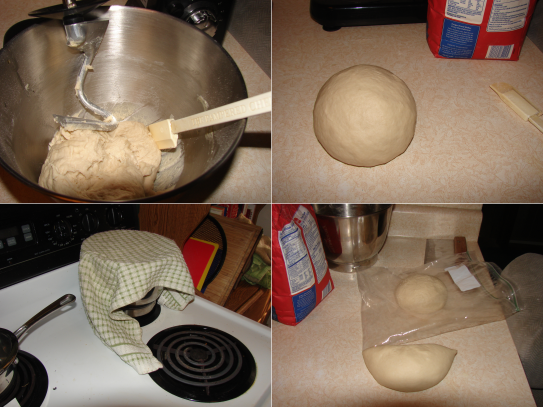
    Steps 1 – 4

    [/et_pb_text][/et_pb_column][et_pb_column type=”1_2″][et_pb_text admin_label=”Steps 1-4 Text” _builder_version=”3.13.1″]


    Step 1. Plant and harvest 4-5 lbs of San Marzano Tomatoes and 4 or 5 large chile peppers of the ‘not melt your face’ variety. (For more info on growing said fruits see Chapter Four: Gardening) Rinse and slice tomatoes lengthwise, check for nasty stuff, these were pristine.

    Step 2. Heat over low heat, stirring for about 10 minutes, or until the skins start to loosen up.

    Step 3. Run tomatoes through the food mill that you use once a year, use a medium-sized sieve.

    Step 4. (not shown) You’ve got enough to clean up already so put your milled tomato sauce in the fridge, wash up then walk down to the bar and grill for a mushroom bacon swiss burger, a few Strohs, and to ineffectually and awkwardly chat up the waitresses.

    [/et_pb_text][/et_pb_column][/et_pb_row][et_pb_row][et_pb_column type=”4_4″][et_pb_divider _builder_version=”3.13.1″ color=”#ffffff” height=”2px” /][/et_pb_column][/et_pb_row][et_pb_row][et_pb_column type=”1_2″][et_pb_text admin_label=”Steps 5-8 Text” _builder_version=”3.13.1″]


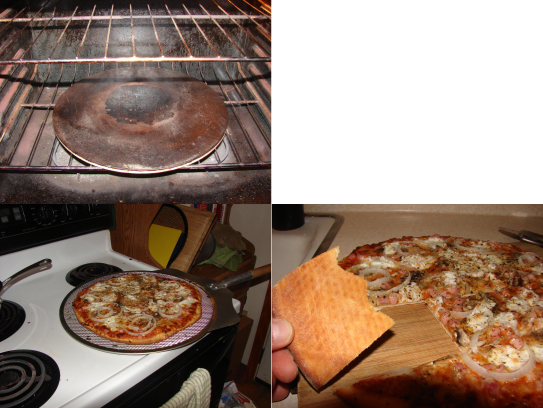
    Step 5. The next evening get your shit together, tomato sauce, onions, mushrooms, garlic, peppers, red wine, and chicken thighs some sausage and some chunks of pork.

    Step 6. Brown meats in oil in your heavy duty stock pot.

    Step 7. Slice up about this many onions, mushrooms, and peppers.

    Step 8. Mince up this much garlic.

    [/et_pb_text][/et_pb_column][et_pb_column type=”1_2″][et_pb_text admin_label=”Steps 5-8 image” _builder_version=”3.13.1″]

    Steps 5 – ?

    [/et_pb_text][/et_pb_column][/et_pb_row][et_pb_row][et_pb_column type=”4_4″][et_pb_divider _builder_version=”3.13.1″ color=”#ffffff” height=”6px” /][/et_pb_column][/et_pb_row][et_pb_row][et_pb_column type=”1_2″][et_pb_text admin_label=”steps 9-13 image” _builder_version=”3.13.1″]

    Steps 9 – ?

    [/et_pb_text][/et_pb_column][et_pb_column type=”1_2″][et_pb_text admin_label=”Steps 9-13 Text” _builder_version=”3.13.1″]


    Step 9. Remove your meat. add Onions and Mushrooms (add more oil if needed)

    Step 10. When onions and mushrooms are soft, stir in garlic

    Step 11. Before garlic burns add enough wine to deglaze the pot, return your meats.

    Step 12. Add tomato sauce and peppers, simmer til meats are done or longer, just don’t let the chicken get to falling apart stage.

    Step 13. Make some pasta.

    [/et_pb_text][/et_pb_column][/et_pb_row][et_pb_row][et_pb_column type=”4_4″][et_pb_divider _builder_version=”3.13.1″ color=”#ffffff” height=”6px” /][/et_pb_column][/et_pb_row][et_pb_row][et_pb_column type=”1_2″][et_pb_text admin_label=”Steps 14-18 Text” _builder_version=”3.13.1″]


    Step 14. Remove your meats again.

    Step 15. Reserve sauce

    Step 16. Serve up meats and some sauce on pasta with grated parmesan. Eat with bread used to ‘clean’ pot.

    Step 17. Stick your stick blender in the sauce and stick blend it to pizza sauce like consistency.

    Step 18. Divide sauce into ~6oz. portions and freeze what you’re not going to use right away.

    [/et_pb_text][/et_pb_column][et_pb_column type=”1_2″][et_pb_text admin_label=”Steps 14-18 image” _builder_version=”3.13.1″]
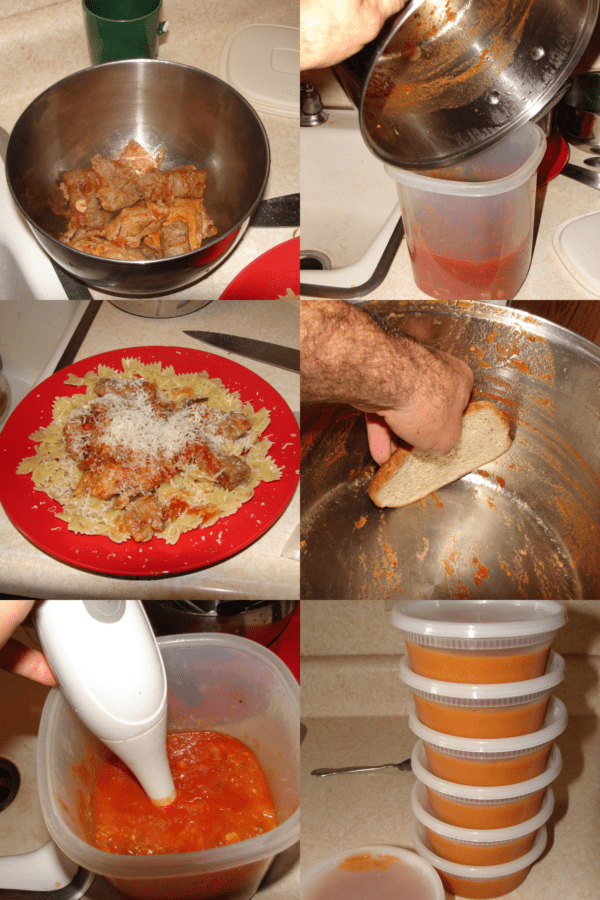
    Steps 14 – ?

    [/et_pb_text][/et_pb_column][/et_pb_row][et_pb_row][et_pb_column type=”4_4″][et_pb_text admin_label=”time/yield” _builder_version=”3.13.1″]

    Time: 3 months 2 days and 45 mins give or take.

    Difficulty: Meh

    Yield: 1 Mushroom swiss burger, 2-4 servings of cacciatore, 48-60oz. pizza sauce.

    [/et_pb_text][et_pb_text admin_label=”voila” _builder_version=”3.13.1″ text_orientation=”center”]

    Et voilà!

    [/et_pb_text][/et_pb_column][/et_pb_row][/et_pb_section]

  • The Hyperbole’s Homebuilding Hurly-burly Part Addendum.

    My hotel bathroom last weekend. You be you West Virginia.
    I may have to rethink my stance on vigorously enforced building codes.
  • The Hyperbole’s Homebuilding Hoop-de-doo Part TL/DR

    Previously on H3

    Part 1: Introduction, Caveat, and Stakeout

    Part B: Permits and Foundations

    Part III: Do’h, Stumps, Rodan!!!, and Framing

    Part The Fourth: Rough-in, Decks, and Inspection

    The Penultimate Part: Drywall, Insulation, Siding, The Big Finish, and More.


    TL/DR

    A six-part series? Ain’t nobody got time for that.

    Looking good
    Peppers

    A quick synopsis for newcomers or those who haven’t kept up or those have who smoked and/or drank away all their long-term memory cells. In 1988 I helped my father build a home, since then we’ve built on average two homes per year. All but one in the same development, a gated lake community run by a Home Owners Association. Over those thirty years, building codes were adopted and updated, the HOA’s rules and requirements were expanded, technology improved the tools of the trade, products, and materials. In the previous articles, I examined these changes by comparing the building of that first house and the one we started this spring. Here I attempt to relate what all this has to do with libertarianism, or at least how it has influenced my libertarianism, otherwise known as the only true libertarianism.

    What Did You Learn?

    Aside from the specifics, probably not much, the recurring themes were likely no surprise to most Gliberati, being the heartless greedy anarchistic greasepaint-mustachioed aginners that you lot are.
    ⦁ Market driven improvements in tools and materials save time and money or add value through better products.
    ⦁ The regulatory changes be they from the HOA or the building codes they adopted do little if anything to add value to the homes, and cost the builders and owners time and money.
    ⦁ Codes and regulations create a false sense of security. Why exercise due diligence when the Government/HOA says everything’s cool?
    ⦁ Top Men® are rarely competent or particularly knowledgeable, and even the good ones are subject to human nature, i.e. power corrupts…etc.
    ⦁ Paperwork, red tape, and other bureaucratic nonsense are at best a ‘cover your ass’ legality for the HOA and at worst a ‘process as punishment’ deterrent.

    What Did I Learn?

    WTF Cukes?
    WTF Cukes?

    That writing is hard; I can install crown moulding like it grew there, but stringing together a few sentences takes far more skill. You get drunk and bang out a few paragraphs then the next morning you delete all but a few phrases, rinse and repeat until you have something resembling a coherent thought. Luckily, I also learned that I can absolutely butcher the language and waterboard syntax for the sole purpose of shoehorning Elvis Costello album titles into my posts and not a single one of you will notice. I mean I can see how ‘This Year’s Model’ kind of worked but who says ‘Punch the Clock’ or ‘Imperial Bedroom’? C’mon people, work with me here.

    What Does This Have To Do With True libertarianism?

    After all the bitching it may surprise some of you that I have absolutely no problem with the concept of HOAs. Some of you may recall that I even defend HOAs when we get the occasional link about a resident breaking some stupid rule and getting into a fight with their HOA. I may not want to live under the rules of one, but it’s not up to me to tell others that they can’t. As I tell Commies and So-cons alike, if I had my way they would still be able to go off and live in some free-loving-malnourished-dog-filled-smelly-hippie commune or some stick-up-their-ass-WASP-only-country-club community, just don’t force anyone to join who doesn’t want to. That’s how I see HOAs.

    Red Sauce Walking!
    Red Sauce Walking!

    Some argue that this is a violation of basic property rights, that you don’t ‘truly’ own your land if you can’t do whatever you want with it. That may be true; it’s just not a big deal, if people want to buy land that comes with strings attached, who am I to stop them? If I want to sell some excess property but don’t want a pig farm next door, there is nothing un-libertarian about having a ‘no pig farm’ clause in the contract. I also have no problem with an ‘if you sell you have to include a ‘no pig farm clause” and an ‘if you sell you have to include an ‘if you sell you have to include a ‘no pig farm clause”’ and so on and so on and scooby doobie doo. You want un-stringed land? proclaim yourself King, Chief, or Big Kahuna then raise an army, conquer some land, and hold it. That’s the only way you’re going to truly own your land.

    That said, all rules are not created equal. Most people join HOAs because they want to live in a community with certain shared aesthetics. They don’t want a doublewide next to their half-million dollar manse, they don’t want chain link fences or front yards filled with cars on blocks. What they do not particularly care about is if their neighbor’s great room has natural lighting equal to or greater than 8% of the floor area. However once you set up a system to make and enforce rules you get people using it to make and enforce rules, and they don’t stop at the ones that ‘most people’ want, they use the system to push their agenda.

    Like the discussion had in the comments of Desk Jockey’s excellent ‘Hillbillies can Maths Two’ post, governing bodies govern. Mini anarchism is an impossibility. Even in this small rural community, the HOA has grown year after year infringing on more and more of the freedoms the people who voluntarily joined once enjoyed. Most of these people don’t care, they are content to live their lives… going fishing or boating or just sitting in their home and reading self-affirming blog posts. It’s human nature and the inevitable lure of power that ensures governments will only attract those that want something to be done!!

    Dealing with the arbitrary rules of both the HOA and the building code that they adopted led me to realize that all rules, not most, but all rules are subjective. For a while, I accepted that we needed electrical and plumbing and structural codes: egress windows and smoke detectors just make sense. These were objectively obvious necessities. Then they changed the rules about attaching deck ledger boards to the house. The laws of physics hadn’t changed, and the way we had always done it was structurally sound, decks weren’t falling off of homes left and right and yet some far off panel of ‘experts’ had decided that we now had to do things differently. This got me thinking about the other ‘obvious’ codes. Why is a railing required to be 36″, why not 35″ or 37″. Why should smoke detectors be required in every bedroom but not the living room or den? Oh, I see, bedrooms are ‘sleeping areas.’ I’m sure not one of you reading this has ever fallen asleep on the couch in your living room or office or den. Hell, I’ve woken up (okay ‘come to’) in my bathtub a time or three.

    Lastly

    Trust all this useless beauty, the King of America may spike the brutal youth with secret(s) profane and sugarcane. When I was cruel yet mighty, like a rose, blood and chocolate brought national ransom by the delivery man with the Juliet letters. North!! Il Sogno, Momofuku…Momofuku’s


    Huh, so that’s how Agile Cyborg did it. I’ll be damned.

  • The Hyperbole’s Homebuilding Houseparty – The Penultimate Part

    Previously on H3

    Part 1: Introduction, Caveat, and Stakeout

    Part B: Permits and Foundations

    Part III: Do’h, Stumps, Rodan!!!, and Framing

    Part The Fourth: Rough-in, Decks, and Inspection


    Insulation, Drywall, Paint, Siding

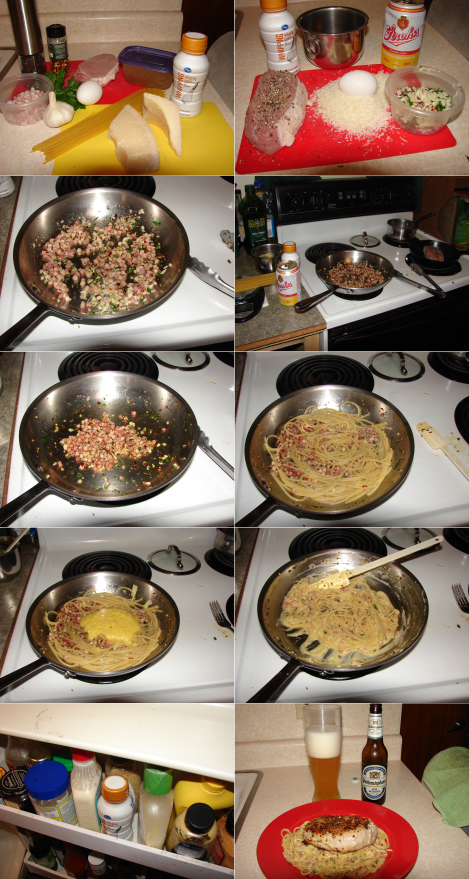
    Carbonara

    First off my apologies for the delay in getting this part out, but I’ve been busy what with building homes and whatnot1. Assuming we passed the rough-in/framing inspection we now get to cover everything up and get to finishing. First comes the insulation. We have always subbed out the insulation, in the early days we did so because installing insulation is a nasty, scratchy job and more importantly the big companies could do the job for little more than what the cost of the insulation alone would be to us, economies of scale, FTW. I hear the insulation isn’t as itchy these days and sometimes they use the sprayed in fibrous and/or foamy stuff. Today it’s still cheaper to let the pros do it, plus we now have stricter standards on just how much insulation we need and we have to “prove” that we meet those standards. One “proves” this by submitting forms filled with calculations that I’d wager no one even checks2, but it’s in the file, so it’s all good. The insulation companies have people who fill out these forms, so we let them, it costs more but at least the homeowners know that their homes are nice and tight.

    Speaking of which, with the house wrapping, caulking every crack, and the better insulation, some areas started seeing “Sick Home Syndrome,” a situation where people would get sick simply from being in certain buildings too long. Turns out all these energy efficiency regulations were making homes too tight. The answer – require a pressure test and add air exchangers so the houses can breathe3. Government – breaking your legs so it can supply you with crutches.

    After the pink stuff comes the grey stuff.4 Drywall is another trade that we have always subbed out, apart from very small jobs it’s just not worth the hassle. In ’88 we used a couple of brothers who hung and finished the jobs themselves, they used hammers and nails but the screw guns were only a few years away. Most drywallers today seem to specialize in either finishing or hanging, the guy we use today doesn’t even employ hangers; he hires a crew that works for two or three other finishers. There are not many codes concerning drywall, we have to hang fire-rated boards on any walls between living spaces and garages but that’s about it.

    After the grey stuff comes the stuff that’s whatever color you want it to be5. In the early days I spread a lot of paint6 but as my skill/value in other areas increased it became wiser to sub out the painting and staining. Which isn’t to say that painting is easy and that any hillbilly can do it. In fact, one of the most conscientious tradesmen I have worked alongside of was our long-time painter and wood finisher. Outside of the exemption in footnote #57 there aren’t any codes regarding paint…yet, you can still paint your farmhouse kitchen some shade that’s almost blue or your imperial bedroom an off yellow. I don’t know much about the technological advances in paints; what I do know is that over thirty years the cost has skyrocketed. It could be market driven, but since most things seem to come down in price over time-unless artificially manipulated- my money is on government intervention. Admittedly, this is a personal bias; I’ll gladly defer to anyone with actual knowledge of the ins and outs of the paint game.

    Outside it’s time for siding, these days that means vinyl siding and cultured stone. For the first few houses, we used T-111 sheathing and later cedar. T-111 is cheap8 and the cedar expensive, both require maintenance, so vinyl and stone it is. Other than styles, not much has changed in siding; vertical is popular right now and they have some halfway decent looking fake shakes and stone products. The tools might have improved but the application is still the same, likewise with the stone; we’ve used the same masons for 25 years and they’ve always done things the same way.9


    The Big Finish

    From here on out it’s mostly cosmetics; technically all you need for the final/occupancy permit is a WC, hot water, and a kitchen sink. This is also about the time the owners start to get happy feet, the exterior is done and all the ‘big’ steps have been taken, but there is still plenty to do. I imagine if you had a big enough crew-or separate crews-installing cabinets, hanging doors, and trim, putting in the various floor coverings and such you could finish up quickly but we10 do all that stuff ourselves, so it’s going to take some time. Back when I did our electric, I would start with the lights and outlets, as it makes finishing easier when you don’t have to drag lights and extension cords everywhere.

    Other than carpeting, which one likes to install dead last, I like to get the hardwoods, laminates, and ceramic down next; saves having to undercut doors and work around cabinets. Styles and products have changed over the years, laminates are the most popular now, and they have improved a lot. People still like hardwood and ceramics, but the cost difference is substantial. After flooring I like to set the cabinets; they, too, have improved mostly in the hardware, soft close hinges, full extension drawers and such. Countertops are mostly granite or quartz, and those farmhouse apron sinks are all the rage. I use a laser to level the cabinets, and the countertops are digitized and cut on CNC machines.

    After the countertops are installed, the plumber can return and finish up, while I move on to hanging doors and trim. All these little things seem to go on forever, installing latch sets, door stops, towel bars, closet shelving, and the inevitable “favors” we do for the homeowners- hanging the wall mount TV brackets they bought or that big mirror and heavy pictures or the swinging porch chair… But then one day it’s done, the inspector can come by and stick his tester in a few outlets11, flush all the toilets and make sure the water at the sink is hot, but not too hot. We gather up any tools and materials still around and move on to the next job.

    I know this section comes across as sparse, but other than styles and aforementioned improvements in tools and products finishing, a house hasn’t changed all that much during my 30-year career. To make up for that here’s some argument-starting clickbait type opinion stated as fact.

    Every Tom Waits Album12 Ranked Worst to First.

    test
    Proof I’m not selling wolf tickets

    The Black Riders
    Blood Money
    Real Gone
    Foreign Affair
    Alice
    Closing Time
    The Heart of Saturday Night
    Franks Wild Years
    Bad As Me
    Small Change
    Bone Machine
    Nighthawks at the Diner
    Swordfishtrombones
    Raindogs
    Heartattack and Vine
    Mule Variations
    Blue Valentine


    That’s it for the penultimate part. Next time will be the last time. I’m going to attempt to wrap all this up with some observations about what all this has to do with libertarianism, or perhaps better said, how it has influenced my particular take on libertarianism. If you have any questions or would like more details about some particular area hit me up in the comments and I’ll endeavor to address those issues as well.


    1. Mainly trying to drink all the beer Riven sent me.
    2. Not one time have I seen an inspector refer to any of the various forms we must submit while he’s doing the inspecting
    3. Just like they used to.
    4. That might be a euphemism…I’m just not sure for what
    5. Except for outside, but I’ll get to that next time
    6. [waggles eyebrows]
    7. see footnote 5
    8. But not inexpensive.
    9. Recently retired, maybe the new masons will have new tricks.
    10. With Dad pushing 80 that really should be “I”
    11. Now, there’s a euphemism!
    12. Yes, Nighthawks is technically a live album, but since it’s all original songs (aside from the Red Sovine cover) that aren’t on any other studio albums I include it here.

  • The Hyperbole’s Homebuilding Hoedown – Part The Fourth

    Previously on H3

    Part 1: Introduction, Caveat, and Stakeout

    Part B: Permits and Foundations

    Part III: Do’h, Stumps, Rodan!!!, and Framing

    Rough-in it, Hah!

    Really shoulda had an arc fault circuit breaker on those attic lights!

    The framing completed we can now move on to the electric, HVAC, and plumbing rough-in, well almost. While one could elect to start running supply lines and drain and pulling wire right away, it is preferable to ‘button-up’ the home first. Exterior doors and windows need to be installed and the roof needs to at least be felt papered if not fully shingled, this not only weatherproofs but keeps light-fingered passersby honest. Sadly with escalating cost of building supplies, theft is a serious concern even in the rural heartland of Ohio. The products and tools have improved but the processes remain the same, very few codes concerning doors, windows, and roof installation have changed or exist at all. What color they are is something else, but more on that later. Now with the buttoning-up completed lets rough-in it.

    Back in ’88 dad hired an electrician to wire the spec house. He was good enough to let me help and willing to teach me all I needed to know about wiring a home. If he was ever concerned about training his own replacement he never let on, he had plenty of other work and I have, over the years, learned that there is a friendly competition between most tradesman. Sure, some might dislike each other but most will buy rounds for each other in the local bars and swap stories about insane clients and stupid inspectors. The exception being anybody who would give the rest of us a bad name, guys who do shoddy work and rip people off. If you’re talking to a tradesman you’re thinking of hiring, and he tells you all his competition are losers and no good, be cautious, especially if he brings it up unasked. If you ask and he speaks well of his competitors that’s a good sign he’s being honest.

    Unless we were too busy, I wired our homes for the next ten or fifteen years. I stopped and we again hire an electrition to wire our jobs, mainly because the codes kept changing and it wasn’t worth it to try and keep up with them. I’d estimate in those early houses I would run a total of maybe fifteen-twenty circuits for the average house, now it can take over thirty and some need to be ground fault protected, some arc fault protected. It seems like every appliance needs to be on a dedicated circuit and you have to put fewer and fewer outlets or lights on the rest. Meaning that there are more home runs from the service entrance panel, and wire isn’t getting any cheaper. For those arc-fault protected circuits, one can lay out up to 10x what a standard one costs. Our electrician also has to install two grounding rods, tamper proof outlets, CO2 alarms, etc. I estimate that changes in the electrical code alone have added up to five thousand dollars to the cost of a new home.

    We have almost always hired out the plumbing. For the first few years, we used a father & son and son crew, the average home would take them one day to rough-in, well, the father and one son did; the other son installed the furnace. When the furnace son bought the farm, oh relax, he bought an actual farm and raises llamas or ferrets or something, dad and I took over the furnace installations. A few years later for various reasons, we switched to another plumber and he started installing our furnaces, which made me very happy. I hate ductwork, I doubt that I installed one single furnace that doesn’t have my blood on it, that metal is sharp, and I must have used up a good chunk of my profanity quota by mumbling “CodKnobbin’ Melonfarmer!” while fighting with it. Plumbing codes have not changed much, ‘Pipe’s still round, shit still runs downhill, and payday’s still on Friday’. The plastic supply lines are now the norm, copper prices being what they are. The furnace/ductwork installation is the same as well, the furnaces are more efficient but nobody has improved ductwork and it still sucks balls Seriously, you’d need armed forces to get me to install another furnace, I’ll go back to delivering pizza first.

    Decks

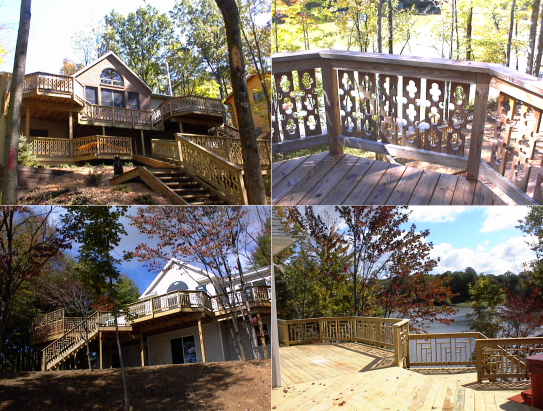
    Deck Pics!

    When I’m not involved in the roughing-in, this is usually a good time to build the decks. Unlike ductwork I love decks. I like framing, and I really like finish carpentry, but my favorite has got to be building decks. Framing gives you instant gratification, you can get a lot done quickly, but it’s crude and almost anyone can do it.  Finish work requires skill but it’s very repetitive- measure, miter, cope, install, measure, miter, cope, install -repeat ad nauseam. Decks offer the best of both worlds, they make an instant visual impression but are a finished product so one can get his woodworking on — it’s not like building a cabriole legged table but it not exactly slapping up a chicken coop either.

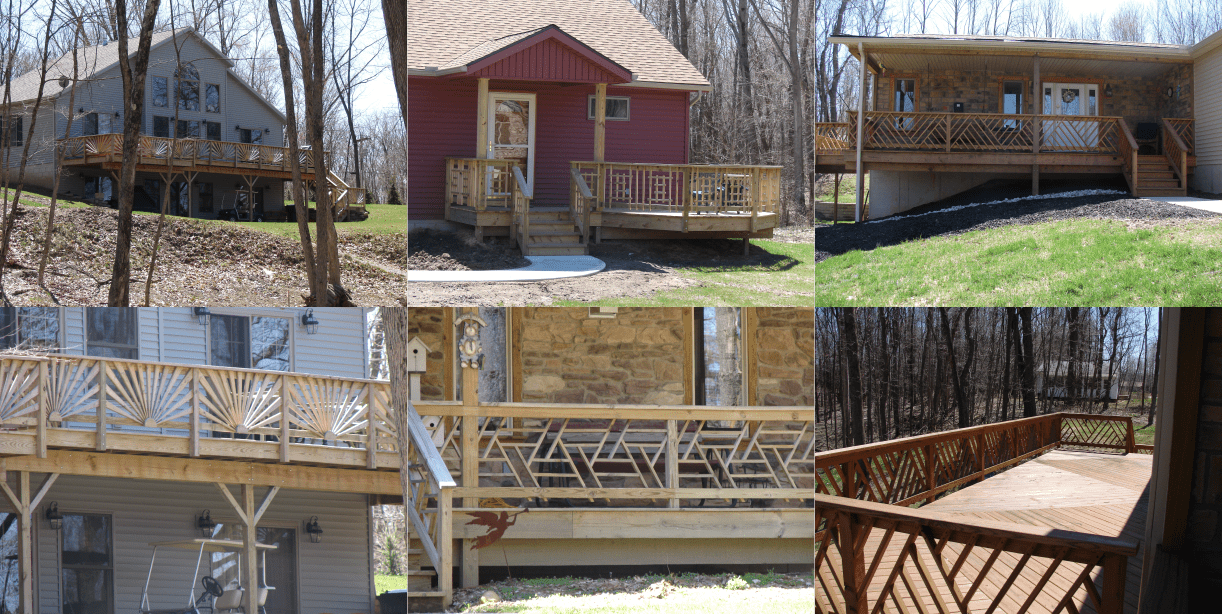
    Structurally decks haven’t changed much– posts and beams, joists and decking, railings and stairs. I use screws now where I used to use nails, and structural lag screws replace some of the through bolts. Somewhere along the way, the maximum spacing between the railing went from 6″ to 4″ which means you need more balusters and that could cost a pretty penny on a deck with lots of railing. After building three or four railings I was sick of the standard 2×2 balusters and since then I try to come up with a new and exciting design for each deck and railing. There are fancy kits and pre-formed balusters but they are costly, same with the composite decking boards. They have nice hidden fastening systems and an occasional power washing is a lot cheaper than staining every few years but you pay for it up front. A composite board costs between three and five times the cost of a wood one and the composite boards require more framing and labor.

    The important thing to remember is that this section was added primarily for me to show off some of my handiwork. Look on my works, ye Glibby, and despair!

    Big Deck Pics!

    Inspections

    Back in ’88, we had our first ‘inspection’ at about this point, as I’ve mentioned a few more have been added since, but this is still the first real one, the others are more ‘take a quick look and check a box on the form’ type of inspection. In ’88 the ‘inspectors’ were volunteers on the HOA’s code enforcement detail. They really didn’t know much about construction (there were a few retired engineers and they at least knew what they didn’t know), they were better suited for enforcing the HOA rules regarding how long your grass was or if you could leave the RV parked in the drive for four straight days. The Inspections were more of an open house than anything else, some ‘inspectors’ would bring their buddies or wives along, everyone wants to check out the new house on the block. Lot’s of “So this is the kitchen?” and “Are you putting in tile?” questions…not so many “What’s the span on those joists” type questions.

    Today we have a real inspector, he was an electrician and then a building inspector one county over before the HOA hired him. He is thorough and fair, he does a pressure test on the drain lines, he makes sure the wiring is secure but not too tightly stapled. He knows what is structurally required and he follows the codes. I really can’t complain about him, if you are going to have codes and enforce them better a by-the-book guy than looks-good-to-me type. You know what you’re getting with the former, some (most) of the codes may be redundant, subjective, or overkill but they are what they are. In the latter case, who knows what B.S. they might come up with.

    The Dunning–Kruger effect or ‘knows just enough to be dangerous’ rule applies here as well. Between the totally unqualified looky-loos we started with and the professional we have now the HOA went through half a dozen others. One, I mentioned in the introduction, he stuck his thumb on top of his head and extended his fingers up if his pinky could touch the ceiling there was a headroom problem. I had to explain the difference between a ridge beam and a ridge board to the next guy every time we had a cathedral ceiling that extended into a loft. A few feel it’s their job to find something wrong, not ensure things are right, they’ll make up ‘issues’ on the spot to justify their phony baloney jobs. I’ve had a few say ‘I’m happy about X but I’m not sure if that’s covered in the codes, I’ll look into it and let you know.”

    A competent inspector will add some value to a homeowner if he catches some oversight or incompetence on the part of the builder. He may also add a little peace of mind in that a second pair of eyes looked over the construction, which may be of some value. A bad one can cost the homeowner real money, either by forcing the builder to either fight some arbitrary rule, and time is money, or go along with it to get things done. Worse case scenario he misses something that causes problems down the road. People assume that if it passes ‘inspection’ it’s all good, buyer beware has gone out the window; Big daddy government or the HOA has my back.

    Due diligence is a thing of the past, we offer to show potential customers the last five homes we’ve built, not cherry-picked ones, the last five. We’ll give them the number of the owners so they can call them personally. (Yes, we get permission to do this, we have never had a client not want to show their new home to others, many tell us to send people their way without us even asking) As far as I know,  no one has ever taken advantage of this, granted we get most of our business through word of mouth so people are getting referrals in a way. But still, for most people, a new home is the single biggest expense in their life and given the chance to check out our credentials most people just give it a ‘meh’. I don’t get it.


    That’s it for Part the Fourth, I know I promised a story about color codes, but I spent a ridiculous amount of time formatting this article so that the first letter in each line spelled out a secret message, then I realized that everyone’s browser and window settings are different and all that work was for naught. So this is what you get, no anecdote, no red sauce recipe. I’ll make it up to you next time, promise.

    Not when it comes to decks or ductwork

  • The Hyperbole’s Homebuilding Hootenanny Part III

    Previously on H3

    Part 1: Introduction, Caveat, and Stakeout

    Part B: Permits and Foundations

    D’oh!

    Pizza D’oh
    What with all the excitement about lasers and my eagerness to bitch about the permitting process, I forgot a few things, so bear with me as I backtrack a bit. We used to pour the footers as soon as they were dug and/or formed, we would often call for the “mud” before they were completely ready because it could take up to two hours for the truck to get to the site. We would have the rebar delivered on the truck and place it as we poured. Now we have to have our footers ‘inspected’ before we can pour, we can’t call for the concrete until the inspector shows up and we have to have the rebar in place ahead of time, meaning we have to make a trip to the concrete plant and bring the rebar down ourselves and then sit idle for a few hours waiting on both the inspector and the truck. Those are minor annoyances; the real problems arise when the inspector can’t get to the site in time to get the pour in. Nothing is as frustrating as being ready to go, not being allowed to and then after a nice overnight rain getting to pull out rebar, scrape out mud, dig out cave-ins and get all set again only to wait for the inspector once more. Worse yet (worst if you’re Rufus) 9 times out of 10 the inspector walks up to the edge of the hole, looks around and says “looks good, see ya next time.” Now with cell phone cameras ever present, some inspectors will allow you to take photos of the footer those times that they can’t get there in a timely fashion, but it’s up to them if they want to be a pain in the ass about it they can.

    There is also a new inspection of the block walls as well. In the early days the masons would lay the block, back plaster up to the finish grade line, put in anchor bolts and if we determine it necessary, add rebar and fill cores to strengthen the wall. We would have the back plaster sprayed with tar and place sill seal and a treated 2×8 plate over the anchor bolts, tighten them down and we were ready for the framing crew. Now before we put the treated plate on we have to be inspected, the top course of block now has to be solid and every 6 to 8 cores rebar-ed and filled. The tarred back plaster is no longer good enough, now we need to have a rubbery membrane applied with a thin layer of foam stuck to that. It may be argued that these changes do in fact add value to the home, you get a stronger wall and better waterproofing. These things are true but ignore the costs, you can always build a stronger foundation, you could fill every core or use 12-inch instead of 8-inch block, you could pour a three-foot-thick solid foundation. Somewhere in that continuum, the cost of extra strength outweighs the benefit. Instead of dictating a minimum standard, which for all intents and purposes becomes ‘The Standard’, perhaps we should allow homeowners and builders to make that determination.

    Stumps

    You can use it for calzones as well
    I also forgot about clearing the lot, due to the coincidence that the first house we built and the latest one are both on treeless lots. This is very rare for the development we build in; in fact, I believe these are the only two homes we’ve built that we didn’t have to take down at least a few trees and I’d estimate three-quarters of the time the lots were completely wooded. In the early days, we would sell any trees worth harvesting for lumber to an Amish chap with a name so Amish-ish you’ll think I’m making it up. Eli Yoder would show up with a half dozen other straw enhattened fellows and piously chainsaw away for a few hours, then they haul off the logs they want and leave the rest in eight foot or so lengths, along with a large pile of branches and tops. We would then position the unwanted logs by the road and within a day they’d be gone as locals would stop and ask if they could have them for firewood, we would pop out the stumps and with the brush have a nice big fire, any stumps too big to burn we could take to the ‘stump farm’ a field outside the development owned by the HOA.

    Nowadays we still sell any trees Eli wants but we no longer are allowed to burn the brush, which as the development filled in makes some sense, however, it’s another one size fits all solution. It is a large development and there are still plenty of lots with no nearby homes, but no fires are allowed even if the nearest homes are hundreds of yards away. So we bring in the guys with the woodchipper, yes, yes, a true libertarian would have his own woodchipper, sigh. The state health department and EPA shut down the stump farm, seems stumps are a hazardous material once you dig them up, so the large stumps we must now have hauled off and disposed of in whatever approved method our tree guys use. I think that they are supposed to grind them up in one of those machines you see on youtube eating cars and couches and what have you. Again not a very big deal but you might have noticed a pattern by now, a little more cost here a little time wasted there, it’s like boiling a frog or a camel’s nose or some other animal related metaphor for slowly nickel and diming you to death.

    Rodan!!!, what’s that …Radon?.. well that’s disappointing.

    Lastly, before we start framing we need to get any underground plumbing placed and the basement floor poured. Not much has changed here, dig some trenches and a hole or two for grinder and sump pump pits, lay some Sch 40 PVC drain lines, have some Mexicans (some I assume are good people) do the work Americans won’t, and bingo bango Bob’s your uncle. Somewhere along the line we were required to add a vent for radon, a 4″ pvc pipe from the gravel base under the slab up through the roof. As far as I know, there have been no cases of radon poisoning or tests showing an unhealthy level of radon in the area, but vent it we must. It’s only a couple lengths of PVC and a tiny amount of labor, just one more drop in the ‘it’s not a big deal, whats the harm?’ bucket.

    2″ SCH 40 PVC makes a nice rolling pin

    Framing

    Okay now that we are back on schedule I’ll endeavor to keeps us on target, hopefully, my aim is true. Speaking of aim I used to be able to drive nails with the best of ’em. I could sink 16d spikes all day long, tap-sink tap-sink, or set a 6d finish nail just below the surface without a nail set and without leaving any pecker tracks. I don’t mention this to brag but to lament that I can no longer do so, I’m out of practice thanks to nail guns. In Part B when I mentioned that lasers were the biggest advancement in the trade I was surprised no one brought up nail guns in the comments. There is a good argument to be made for nail guns; for me, lasers edge them out, but just barely. My father bought our first nail gun back when we were framing that first house, but for various reasons, it took us a while to adapt. It jammed a lot, and dragging around our undersized and noisy compressor that wouldn’t always kick on in the cold was a pain, the hoses get tangled and trip you up. Within ten years or so we had fully integrated them, I must have a dozen nail guns now – framing, finish, pinners, staplers, roofing, one just for installing joist hangers and one just for hardwood floor installation. The sound of compressors running on the job site during framing is now as ubiquitous as Mötley Crüe blasting out of a battered and beaten Dewalt radio that fades in and out when it gets over 90° and you better not change the station because the tuner’s fucked and it took Randy twenty minutes to dial in WRKZ 99.7 THE BLITZ!!!

    For the most part, the actual framing hasn’t changed all that much, 2×6 exterior walls have become the norm, and only the cheapest builders still use fiberboard or foam panels for wall sheathing. For a few years, the manufactured “I” joists replaced 2x10s, but they burn up quickly in a house fire so you are required to fireproof them which has made most builders return to 2×10 joist. LVL’s have replaced steel beams and structural screws have replaced nuts and bolts. Cranes, booms, and lifts have also become common, previously they were mostly considered commercial equipment and not often used residentially. We used to ‘swing’ trusses into place, and hump materials around the job site using manpower alone. Extension ladders and jacks and planks were constantly being set up and tore down to install second story windows and gable end sheathing. Now machinery does all the heavy lifting, it’s faster, easier, and most importantly, much, much safer- I don’t have any statistics but falling off roofs, planks and ladders has got to be the most common cause of job site injury. Certainly, there are extra cost involved but that cost is easily offset by the benefits, and it is a decision builders make, you aren’t forced to make these changes or use these tools, and yet most builders have. Take that, central planning tyrants.

    There are two code related changes to our framing that I can think of. We are now required to use ‘hurricane straps’ to attach the rafters/trusses to the top plate of the walls. This fits right in with the running theme – small additional cost, doesn’t take long, adds strength that may not be necessary, should be left up to the homeowner and builder. We also now frame 2×4 walls around the perimeter of the basement, whether it is going to be finished or not, because we have to insulate the basements. Depending on the size of the house the framing and insulation can add a good bit to the cost, again might be a good idea, should be an option, not a requirement.

    That’s it for Part III, in Part the Fourth we will look at the rough in plumbing and electric, and HVAC (none of those letters stand for anything) and I’ll regale you with the curious tale of how the exterior color guidelines went from earth tones only to ‘sure you can have white trim, just this once’.

    ♫Three out of four ain’t bad♫

    Obvious song choice is obvious.

  • The Hyperbole’s Homebuilding Hullabaloo – Part B: Permits and Foundations or ‘CAN YOU DIG IT!!!?!?’

    Previously on H3

    Lots were surveyed and the corners of the homes carefully staked out, we learned (hopefully) that while the association which runs the development likes to tell people what and where to build, they don’t like having any responsibility for screw-ups, and thus CYA became their primary objective.  With the stakeout ‘approved’ the next step is to submit the building plans and permit fee and wait for our building permit. The evolution of this process has followed a similar path as that of the stake out process only more so, more redundant regulations and requirements, more costs, and little if any benefit to the homeowners. And thus, to avoid sounding like a broken record allow me to back burner that and jump ahead to the next stage, where we will encounter perhaps the most game-changing innovation to hit the home building trade in my memory.

    Foundations

    Pa, I can’t move level those this damn pigs Transit!

    A strong building starts with a good foundation and any foundation starts with someone pulling up to the job site in a dump truck with some type of excavating equipment in tow. In 1988 it was a hillbilly towing a rubber tired backhoe with a two-foot bucket, today it’s a citibilly hauling a track hoe with both a two and a four-foot bucket.  In both cases we would meet the excavator and pull strings from those precious corner stakes, paint lines for the digger to dig on, set up batter boards, and determine a benchmark, usually a nail in a nearby tree, that we can use to determine the depth to dig the basement, footer trenches, and drainage lines. How we know that they’ve dug to that depth is where the game changer shows up.

    As Mike S and NoDakMat have probably guessed it’s the Quad Laser. Well, it’s lasers anyway. In this case a self-leveling rotating horizontal laser. In 1988 we used a transit level which had to be manually set up and calibrated and checked and re-checked often. These are delicate instruments and they need to be carefully handled, bump one and your nice flat footer trench is now eight inches deeper at one end than the other. Also, they require a man to look through and read the story stick that another man is holding. Men make mistakes, the holder may hold the stick at an angle or the reader may get confused and decide the ditch is two inches high when it is actually two inches low. You get the picture. A self-leveling laser level not only self-levels, natch, but it requires no one to read, and in some cases (where the receiver can be attached to the boom of the excavator) needs no one to hold a stick, and most importantly it stays level and doesn’t get confused. The same laser level is used to set the footer forms and grade stakes after the digging is done. And again it turns a two or three person job into a one or two person job and while not eliminating human error it greatly reduces the potential for possibly costly mistakes.  A 12″ thick footer cost more than an 8″ thick one, and if you think the crusty old bricklayer curses on a normal day, wait until you tell him that the footers are off grade and he needs to gain or lose an inch or two.

    Game Changer

    But wait there’s more, before the masons can start laying block and yelling profanity-laced tirades at their bricktenders, we need to reestablish the house corners. Remember those carefully surveyed corner stakes we were required to pay for? they’re long gone. So now the same guys who weren’t competent enough to pull strings and measure offsets are now going to pull strings and measure offsets with the added bonus of plumbing down into a big hole and some ditches.  In 1988 this required someone on a ladder trying to hold a plumb bob line to a point on a string without moving either, another person down on the footer marking where the plumb bob centers out, or where it would center out if it ever stopped swaying. Go ahead, try and hold a plumb bob steady from the top of an 8′ ladder to more or less a point in space that’s an arm’s length away, add in a nice wind for extra fun. Repeat this step and with two corners now marked you can pull tapes and calculate diagonals or rely on the old 345 rule to set the other corners. Today we no longer rely on thousand-year-old tools, today we use, you guessed it, lasers. In this case, the 5-way laser, with this tool one man can set the corners easily with a precision a three-man team in the past would rarely achieve.

    Between the lasers and improvements in excavating equipment what once took a week or more can now be done in a couple of days, with greater accuracy and fewer men on the job. Thanks go to the government for requiring us to adopt these new products and technology with their rules and regula….oh wait, that didn’t happen. Amazingly saving time, effort, and money was enough of an incentive. Imagine that.

    Permit

    The Quint Laser

    Okay, back to bellyaching about paperwork. After the stake out, covered in part one, we submit a set of plans along with a check of course ($150 in ’88 near $2000 in ’18), In ’88 the plans were five pages of, well, plans… site, foundation and floor, elevations, a section, and a typical construction detail. They were mostly drawings with dimensions and some labels here and there, they were clear, easy to read, and any home builder would be able to construct a house from them. They were drawn up by a home designer my dad knew. I forget all the details but he was studying to be an architect or engineer when life caught him unawares and he had to quit school and punch the clock. He drew house plans for extra money, drew them by hand, some of our clients would ask for the originals or a crisp print of them and have them framed.

    The set of plans we recently submitted are eight pages. the basic plans are still there, hidden under blocks of texts and boilerplate details – schedules for light, ventilation, finishes, doors, and windows, diagrams for electrical, plumbing and HVAC, design load specifications for joist, trusses, and rafters. I draw them with a CAD program, they are jumbled and crowded, nobody will frame a copy of them. Like the stake out survey it’s all CYA on the associations part, no one reads all that fine print, but they have a checklist if it’s on the checklist it better be on the plans. None of this adds value to the home, it only wastes my time and a lot of paper and ink.

    We are required to keep the official stamped set on the jobsite but no one uses it. I make separate sets for the framers, stripped of all the filler so that they are readable. The electrician and plumber don’t need me to tell them what size wire and pipe to use or where to route it. You don’t need to tell a short order cook to fry the egg in ½tsp of butter for 2.6 minutes a side on a 253° griddle, and you don’t need to tell a carpenter to put studs 16 inches on center and what the rough opening for a 3/0 int door is. 98% of residential construction follows tried and true industry standards, in those rare times it doesn’t I make sure to discuss it on site with the tradesmen.

    Lastly, we have a meeting with the homeowner and a representative from the HOA. In ’88 it took, maybe five minutes, the rep would give the property owner a copy of the rule book and welcome them to the community and hand Dad the magic red laminated paper that allows us to start building. Lawyers must have gotten involved because in ’18 it’s an hour-long slog, the rep goes point by point over various and sundry rules and the owner and builder have to initial each page, the welcome to the community now seems more like a warning not to make any trouble. Luckily my dad takes care of that stuff he’s been through 60 of them and even when we are building a spec house when there is no homeowner and it’s just him, he still has to jump through the same hoops every time.


    That’s it for Part 2, next time we’ll get into some proper building, making sawdust and swinging hammers, we’ll have our first inspections and maybe just maybe, we’ll learn a little bit about ourselves along the way.

    It’s always something


    3  This is not a footnote, it’s an exponent as in H ‘cubed.’ There will be no footnotes in this article.

  • The Best Article Ever Written For Any Website On All The Intertubes – Part I: Introduction, Caveat, and Stakeout

    Introduction

    Thirty years ago, I helped my father build a house. I worked with him for the previous few summers on smaller projects…decks, screened-in porches, fences and the like, but that year I was finished with school and so for the first time I had a hand in the construction of a home from start to finish. I learned how to set up a transit level and surveyed the site with Dad, we discussed views, elevations, and placement options when the plans were still sketches, and later I walked through the completed home, room by room, checking for undotted I’s or uncrossed T’s before packing up the last of our tools and leaving the home to its new owners. This spring we will start building our sixtieth-ish*.

    ‘That’s really sweet The Hyperbole,’ the impatient glibers may ask, ‘But what does any of that have to do with Liberty, Limited Government, Beer, Pizza, Board Games, or Boobs?’ Good question, I’m glad you asked. Turns out we built all but one of those homes in the same gated, HOA-run community, and over the years I have watched as rules, regulations, fees, and fines skyrocketed, at times it seemed as if the powers that be were actively trying to discourage new construction.**. In the same time, I have also witnessed the development of new tools and products. Some of those changes added value to the final product, some of them only made it cost more. I imagine you can guess which was which.

    And so I figured that I would write a few articles comparing the building of that first home back in ’88 with this year’s model. Focusing on the above-mentioned observations, with the odd anecdote tossed in here and there, like the story of the building inspector who would walk through doorways and down stairwells with his thumb placed on top of his head with his fingers extended upwards*** to check headroom clearance. As per Brett’s instructions, I will try to use sentences and paragraphs but I can’t promise anything, I never done too good in writin’ class.

    Caveat

    My father likes to oldmansplain that when he was a kid the phrase “Why don’cha make a federal case out of it?” was a common rebuff when someone made too large of a deal over some perceived insult or slight. As he points out**** it was a rebuff because very few things were federal issues, today it’s a meaningless phrase because everything is a federal issue.

    Except, remarkably, residential home building which has largely stayed a local issue. To get a building permit In one county all you may need is the approval of your proposed septic system, in the next county over you might need to submit plans showing every little detail down to the color of the tile in the guest bathroom. Thus when I bring up a code change, some of you may have always lived under stricter codes, while others of you may not even have to comply with the old code that is being changed. In short, don’t take any of what I say as a general rule. Always check with your friendly and helpful local building code enforcement department official and get all necessary permits before you build that deck. Unless you can’t easily see it from the street and you can put on your shocked face and say “I need a Permit? For a tiny little stoop? I had no idea!” believably, if so get cracking, those post holes aren’t going to dig themselves.

    Stake Out

    Richard Dreyfuss #metoos all over Madeline Stowe while Charlie Sheen’s more talented brother watches and Forest Whitaker languidly mast…What’s that? …Oh, STAKE…OUT, not Stakeout. That makes a lot more sense. One of the first steps in building a house is figuring out where you are going to build it, as I mentioned above, back in 1988 my father and I surveyed the property to make this determination, by survey I mean in both the ‘looked over the grounds’ and in the ‘found corner pins, pulled strings down property and/or backset lines’ sense. Thus we made sure the house we intended to build fit on the lot in the orientation we wanted. In 2018 we still do the same but we ‘approximate’ more, ‘Close enough’ has replaced ‘lets double check.’

    You see, in ’88 after siting the house we would carefully stake out its’ footprint, so that the guy with the back-hoe knew where to dig and so that the representative from the HOA***** could verify that we were building where we should, and most importantly, so that WE could verify that we were building where we should. What could be more embarrassing (and costly) for a home builder than to build over a backset line or on the wrong lot? but much like how drug companies will kill their customers without government oversight, greedy builders will build on wrong. So now, In ’18 we are required to have a state licenced surveyor stake out the house so we figure ‘close enough’, it saves us a few hours but cost the homeowner $300-$500 in surveying cost.

    Uh…Dad, I think we have a little problem.

    This change happened fairly early on, perhaps in the mid 90’s. The association hired a local architectural firm to take over the inspections that up until then were done by a board member or volunteers on what was called the Environmental Control Committee. Turns out the lackey that the Architect sent out to do the inspections was an idiot******, and approved a number of jobs that encroached on backset lines. The association could have hired someone competent or required surveys in cases where the building is very close to the backset lines. Instead, they went one size fits all, whether you are trying to stuff a 10-gallon house on 5-gallon lot or you are tossing a hot dog of a home down a hallway of a lot, you are required to pay for a survey.

    Some of you may be thinking “What’s the big deal it’s just a few hundred dollars? and it’s a good idea to get a professional survey anyway.” Yes, it’s not a ton of money but bear in mind we don’t even have a building permit and haven’t moved one shovelful of earth yet. And if like 90% of our clients you recently purchased the lot the property itself will have been surveyed, the title companies make sure of that. The professed purpose******* of the stake out is to ensure that the proposed house fits on the lot, something a properly drawn plot plan does. And guess what? we have always been required to include a plot plan with our permit application. The stake out survey is a redundancy at best. It doesn’t protect the property owner, it only shifts liability from the builder to the surveyor, and allows the HOA to act like they are doing something by approving the stakeout, without having to actually check the stakeout.

    That’s it for Part One. If there is any interest in Part Two, I will delve into the permit process, and discuss Excavating, foul-mouthed masons, lasers, and more!!….

    Not sure if only the links posters get to sign off with a song or not [ED: go right ahead!], but if it’s cool here’s The Woggles covering Chubby Checker.

    *I haven’t kept count.
    ** And in some cases they were.
    *** Imagine an inverted Little Rascal’s high-sign.
    ****Repeatedly, Jesus wept, do all old people tell the same damn story over and over?
    ***** For a while it was a retired realtor who was also one of the first full-time residents of the community, in short, he knew what he was doing, the idiots that came after? not so much.
    ****** He once questioned whether the window in a bedroom met the egress size requirements, it did, also there was a patio door right beside it.
    ******* You may think it’s about ensuring that the house is actually built where it should be, it’s not. More on that in Part Deux, if there is a Part Deux.